As a supplier of KPX battery flat cars, I've often been asked about the regulations regarding their use. These regulations are crucial for ensuring safety, efficiency, and compliance in various industrial settings. In this blog, I'll delve into the key regulations that govern the use of KPX battery flat cars and how they impact our operations.
General Safety Regulations
Safety is the top priority when it comes to operating KPX battery flat cars. Most countries and regions have established comprehensive safety standards to protect operators, pedestrians, and the surrounding environment. These standards typically cover aspects such as equipment design, installation, operation, and maintenance.
For instance, the Occupational Safety and Health Administration (OSHA) in the United States has specific regulations for industrial vehicles, including battery-powered flat cars. These regulations mandate that operators must be properly trained and certified to operate the equipment. They also require regular inspections and maintenance to ensure that the flat cars are in good working condition.
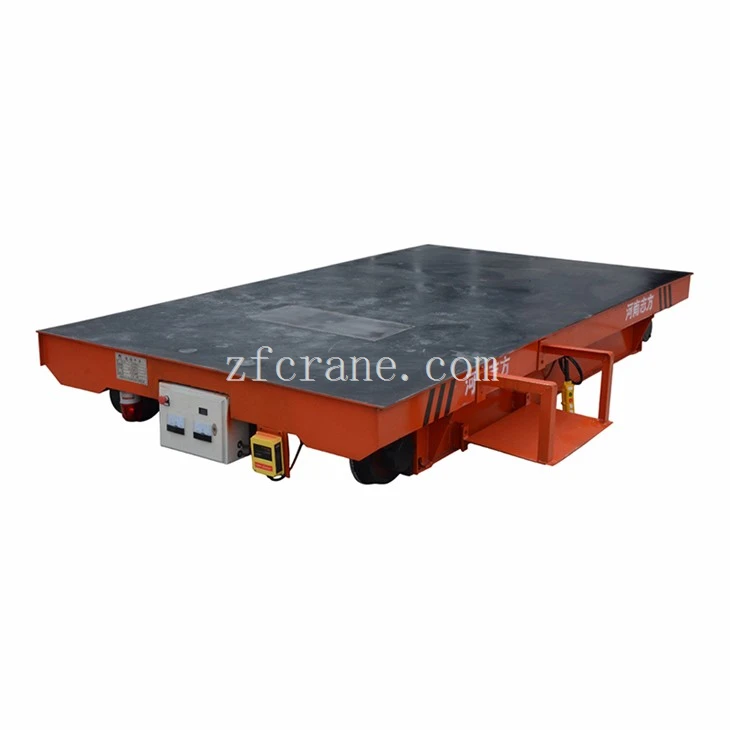
In addition to operator training, safety features are also a critical part of the regulations. KPX battery flat cars are equipped with various safety devices, such as emergency stop buttons, warning lights, and anti-collision sensors. These features help prevent accidents and protect the people and property in the vicinity of the flat cars.
Electrical Safety Regulations
Since KPX battery flat cars are powered by electricity, electrical safety is of utmost importance. Electrical regulations govern the design, installation, and use of the electrical systems in the flat cars. These regulations aim to prevent electrical hazards, such as short circuits, electrical shocks, and fires.
One of the key electrical safety regulations is the proper grounding of the flat cars. Grounding helps protect against electrical shocks by providing a path for electrical current to flow safely to the ground in the event of a fault. Additionally, the electrical components in the flat cars must be properly insulated and protected to prevent electrical contact and short circuits.
Another important aspect of electrical safety is the charging of the batteries. KPX battery flat cars use advanced battery management systems to ensure safe and efficient charging. These systems monitor the battery's state of charge, temperature, and other parameters to prevent overcharging, overheating, and other battery-related issues.

Environmental Regulations
In recent years, environmental regulations have become increasingly important in the industrial sector. KPX battery flat cars are designed to be environmentally friendly, as they produce zero emissions during operation. However, there are still some environmental regulations that apply to the use of these flat cars, particularly regarding the disposal of batteries.
Batteries contain hazardous materials, such as lead and lithium, which can pose a risk to the environment if not disposed of properly. Therefore, it is important to follow the local regulations for battery disposal. Many countries and regions have established recycling programs for batteries to ensure that they are recycled or disposed of in an environmentally responsible manner.
Compliance and Certification
To ensure compliance with the various regulations, KPX battery flat cars are designed and manufactured to meet international standards and certifications. These standards and certifications provide assurance that the flat cars are safe, reliable, and compliant with the relevant regulations.
One of the most widely recognized certifications for industrial vehicles is the CE certification. The CE mark indicates that the product meets the essential health and safety requirements of the European Union. KPX battery flat cars are CE certified, which means that they can be sold and used in the European market.
In addition to the CE certification, KPX battery flat cars may also be certified to other standards, such as ISO 9001 for quality management and ISO 14001 for environmental management. These certifications demonstrate our commitment to quality, safety, and environmental responsibility.
Impact on Our Business
The regulations regarding the use of KPX battery flat cars have a significant impact on our business. On the one hand, these regulations ensure that our products are safe and reliable, which helps build trust with our customers. On the other hand, compliance with the regulations requires us to invest in research and development, quality control, and training.
For example, to meet the electrical safety regulations, we need to use high-quality electrical components and advanced battery management systems. This increases the cost of production, but it also ensures that our flat cars are safe and efficient. Additionally, we need to provide comprehensive training to our customers' operators to ensure that they understand and follow the regulations.
Despite the challenges, we believe that compliance with the regulations is essential for the long-term success of our business. By providing safe and reliable products, we can differentiate ourselves from our competitors and build a strong reputation in the market.
Conclusion
In conclusion, there are several regulations regarding the use of KPX battery flat cars, including general safety regulations, electrical safety regulations, and environmental regulations. These regulations are designed to protect the safety of operators, pedestrians, and the environment. As a supplier of KPX battery flat cars, we are committed to ensuring that our products meet all the relevant regulations and certifications.
If you're interested in purchasing KPX battery flat cars, please visit our website to learn more about our products: KPX Battery Electric Transfer Cart and KPX Battery Transfer Cart. We welcome you to contact us for further details and to discuss your specific requirements. Our team of experts is ready to assist you in finding the right solution for your business.
References
- Occupational Safety and Health Administration (OSHA). (n.d.). Industrial Trucks. Retrieved from [OSHA website]
- European Union. (n.d.). CE Marking. Retrieved from [European Union website]
- International Organization for Standardization (ISO). (n.d.). ISO 9001:2015 - Quality management systems. Retrieved from [ISO website]
- International Organization for Standardization (ISO). (n.d.). ISO 14001:2015 - Environmental management systems. Retrieved from [ISO website]