As a supplier of pillar jib cranes, I often encounter inquiries from small workshop owners about the feasibility of using our equipment in their limited - space environments. In this blog post, I'll delve into the details to answer the question: Can a pillar jib crane be used in a small workshop?
Advantages of Pillar Jib Cranes for Small Workshops
Space - Saving Design
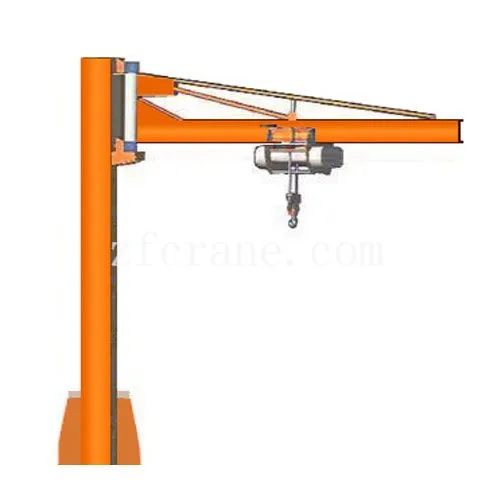
One of the most significant advantages of a pillar jib crane in a small workshop is its space - saving nature. A Pillar-mounted Slewing Jib Crane is designed to be mounted on a single pillar. This vertical installation means it doesn't take up valuable floor space like some larger, more complex crane systems. The jib arm extends horizontally from the pillar, providing lifting coverage within a defined radius without obstructing the movement of workers or other machinery on the workshop floor.
For example, in a small metal fabrication workshop where every square foot of space is used for storing raw materials, workbenches, and tools, a pillar jib crane can be installed in a corner. The crane's jib can rotate through a specific angle, usually up to 360 degrees, allowing it to access different areas within the workshop without interfering with the existing layout.
High Flexibility
Pillar jib cranes offer high flexibility in terms of movement. The jib arm can be raised, lowered, and rotated, enabling precise positioning of loads. In a small workshop, this flexibility is crucial as it allows for quick and efficient handling of materials. For instance, in a woodworking shop, a worker can use the pillar jib crane to lift heavy wooden planks from a storage area and place them precisely on a saw table. The ability to rotate the jib arm also means that the crane can serve multiple workstations within the small workshop, increasing productivity.
Cost - Effective Solution
From a financial perspective, pillar jib cranes are a cost - effective option for small workshops. They are generally less expensive to purchase and install compared to larger overhead crane systems. Additionally, the maintenance costs of pillar jib cranes are relatively low. Since they have a simpler design with fewer components, there are fewer parts that can break down, reducing the overall maintenance and repair expenses. This makes them an attractive choice for small business owners who are operating on a tight budget.

Considerations When Using a Pillar Jib Crane in a Small Workshop
Load Capacity
Before installing a pillar jib crane in a small workshop, it's essential to consider the load capacity requirements. Small workshops may have different load - handling needs, depending on the type of work they do. For example, a jewelry - making workshop may only need to lift small, lightweight items, while a small automotive repair shop may need to lift heavy engine components. It's crucial to accurately assess the maximum weight of the loads that will need to be lifted and choose a pillar jib crane with an appropriate load capacity. Overloading the crane can not only damage the equipment but also pose a safety risk to the workers in the workshop.
Height and Clearance
The height of the workshop and the available clearance are also important factors. The jib arm of the pillar jib crane needs enough vertical space to operate freely. If the workshop has a low ceiling, it may limit the lifting height of the crane or prevent the jib arm from rotating fully. Before installation, measure the height of the workshop and ensure that there is sufficient clearance for the crane to function properly. Additionally, consider any overhead obstacles such as pipes, ducts, or lighting fixtures that could interfere with the crane's operation.
Floor Strength
The floor of the small workshop must be able to support the weight of the pillar jib crane and the loads it will lift. The crane exerts a significant amount of force on the floor, especially when lifting heavy loads. A weak or unstable floor can cause the crane to tilt or even collapse, which is extremely dangerous. It's advisable to have a structural engineer assess the floor strength before installing the crane. If necessary, reinforcement measures can be taken to ensure the floor can safely support the crane.
Installation and Safety in a Small Workshop
Professional Installation
Proper installation is crucial for the safe and efficient operation of a pillar jib crane in a small workshop. It's recommended to hire a professional installation team with experience in installing pillar jib cranes. They will ensure that the crane is installed correctly, including proper alignment of the pillar, secure mounting, and calibration of the lifting mechanisms. A professional installation also helps to ensure that the crane meets all relevant safety standards and regulations.
Safety Measures
Safety should always be a top priority when using a pillar jib crane in a small workshop. Workers should receive proper training on how to operate the crane safely. This includes understanding the load capacity, correct use of the controls, and safety procedures in case of an emergency. Additionally, safety devices such as limit switches, overload protection, and warning signs should be installed on the crane. Regular inspections and maintenance of the crane are also essential to identify and address any potential safety issues before they become serious problems.
Conclusion
In conclusion, a pillar jib crane can indeed be used in a small workshop. Its space - saving design, high flexibility, and cost - effectiveness make it a suitable choice for many small - scale operations. However, it's important to carefully consider factors such as load capacity, height and clearance, and floor strength before installation. By ensuring professional installation and implementing proper safety measures, small workshop owners can benefit greatly from the use of a pillar jib crane.
If you're a small workshop owner considering a pillar jib crane for your business, I encourage you to contact us for more information. We can help you choose the right crane based on your specific needs and provide professional installation and after - sales support. Let's work together to improve the efficiency and productivity of your small workshop.
References
- Crane Manufacturers Association of America (CMAA). "Crane Safety Standards and Guidelines."
- Occupational Safety and Health Administration (OSHA). "Safety Regulations for Lifting Equipment."