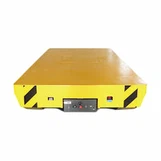
Hey there! As a scissor lift supplier, I know how crucial it is to inspect these machines before use. A proper pre - use inspection can prevent accidents, extend the lifespan of the scissor lift, and ensure you get the most out of your equipment. So, let's dive into how you can inspect a scissor lift before using it.
1. Visual Inspection
First things first, a good visual check can reveal a lot about the scissor lift's condition. Walk around the lift and look for any obvious signs of damage. Check the frame for cracks or bends. The frame is the backbone of the scissor lift, and any structural damage can compromise its safety. If you spot any issues, don't use the lift until it's been repaired by a professional.
Inspect the scissor arms. These are the parts that allow the lift to go up and down. Look for any signs of wear, such as excessive rust or bent components. The pins and bushings in the scissor arms should also be checked. Make sure they're not loose or worn out. Loose pins can cause the scissor arms to malfunction, which is a major safety hazard.
Check the platform. It should be in good condition, without any holes or weak spots. The guardrails around the platform are also important. They need to be securely attached and in proper working order. If the guardrails are damaged, they won't be able to protect the operator when the lift is in use.
2. Hydraulic System Inspection
The hydraulic system is what makes the scissor lift go up and down. Start by checking the hydraulic fluid level. There's usually a sight glass or a dipstick that shows the fluid level. The fluid should be at the appropriate level as indicated in the manufacturer's manual. If the fluid is low, it could mean there's a leak in the system.
Look for any signs of hydraulic fluid leaks. Check the hoses, fittings, and cylinders. A leak can not only reduce the lift's performance but also create a slippery surface, which is dangerous for the operator and others in the area. If you see any fluid dripping or pooling, the lift shouldn't be used until the leak is fixed.
Test the hydraulic controls. Operate the up and down controls slowly. The lift should respond smoothly and steadily. If there's any jerking or hesitation, it could be a sign of a problem with the hydraulic system.
3. Electrical System Inspection (for Electric Scissor Lifts)
If you're using a Self Propelled Electric Scissor Lift, the electrical system needs a thorough inspection. Check the battery. It should be fully charged and in good condition. Look for any signs of corrosion on the battery terminals. Corrosion can prevent the battery from delivering power properly.
Inspect the wiring. The wires should be intact, without any fraying or damage. Loose or damaged wires can cause electrical problems, which may lead to the lift malfunctioning or even starting a fire.


Test the electrical controls. Make sure all the switches and buttons work as they should. The emergency stop button is especially important. It should be easily accessible and in proper working order.
4. Mobility and Steering Inspection
For Self Propelled Hydraulic Scissor Lift models, the mobility and steering are key. Check the tires. They should have sufficient tread depth and be properly inflated. Under - inflated or worn - out tires can affect the lift's stability and maneuverability.
Test the steering. The lift should turn smoothly and respond to the steering controls accurately. If there's any play or difficulty in steering, it could be a sign of a problem with the steering mechanism.
Check the brakes. The brakes should be able to stop the lift quickly and safely. Test them on a flat surface to make sure they're working properly.
5. Safety Devices Inspection
Scissor lifts are equipped with several safety devices, and they all need to be inspected. The overload indicator is important. It should be working correctly to prevent the lift from being overloaded, which can cause it to tip over.
The tilt sensor is another crucial safety feature. It's designed to shut down the lift if it's tilted beyond a safe angle. Test this sensor to make sure it's functioning as it should.
The emergency lowering system should also be checked. In case of a power failure or other emergency, this system allows the lift to be lowered safely to the ground.
6. Documentation and Training
Before using the scissor lift, make sure you have all the necessary documentation. This includes the operator's manual, maintenance records, and inspection reports. The operator's manual provides important information about the lift's operation, safety procedures, and maintenance requirements.
The operator should also be properly trained. They need to know how to operate the lift safely, how to perform pre - use inspections, and what to do in case of an emergency. A trained operator is less likely to make mistakes that could lead to accidents.
Conclusion
Inspecting a scissor lift before use is not just a good practice; it's a must. By following these steps, you can ensure that your scissor lift is in good working condition and safe to use. Remember, safety should always be your top priority when working with any type of lifting equipment.
If you're in the market for a scissor lift or need more information about our products, don't hesitate to reach out. We're here to help you find the right scissor lift for your needs and provide you with all the support you need. Whether you're a small business or a large construction company, we've got the perfect solution for you. Contact us today to start the procurement process and get the best scissor lift for your operations.
References
- Manufacturer's manuals for scissor lifts
- Occupational Safety and Health Administration (OSHA) guidelines on scissor lift safety