Hey there! As a supplier of pillar jib cranes, I've seen firsthand how important it is to keep these machines well - lubricated. A properly lubricated pillar jib crane not only runs more smoothly but also has a longer lifespan, which means less downtime and more productivity for your business. So, let's dive into how to lubricate a pillar jib crane.
Why Lubrication Matters
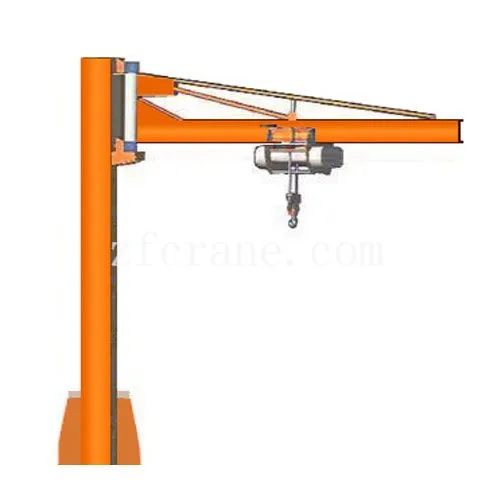
First off, let's talk about why lubrication is such a big deal. Pillar jib cranes have a lot of moving parts, like the slewing bearing, the hoist mechanism, and the trolley wheels. When these parts rub against each other without proper lubrication, they generate friction. Friction can lead to wear and tear, overheating, and even mechanical failure. By applying the right lubricant, you can reduce friction, protect the components from damage, and ensure that your crane operates at its best.
Types of Lubricants
There are different types of lubricants available, and choosing the right one is crucial.
Grease
Grease is a popular choice for many parts of a pillar jib crane. It has a thick, semi - solid consistency that stays in place well, providing long - lasting lubrication. Grease is great for the slewing bearing of a Pillar-mounted Slewing Jib Crane. The slewing bearing allows the crane to rotate, and it experiences a lot of pressure and movement. A high - quality grease can withstand these conditions and keep the bearing functioning smoothly.
Oil
Oil is another option, especially for parts that require a more fluid lubricant. For example, the hoist mechanism may benefit from oil lubrication. Oil can easily penetrate into small spaces and provide a thin film of lubrication, reducing friction between the gears and other moving parts. Some oils are also designed to have anti - corrosion properties, which can be very useful in protecting the metal components of the crane.
Pre - Lubrication Checks
Before you start lubricating your pillar jib crane, there are a few checks you should do.
Inspect the Crane
Take a good look at the crane to make sure there are no visible signs of damage or wear. Check for any loose parts, cracks, or leaks. If you notice anything abnormal, it's best to address these issues before lubricating the crane. For example, if there's a leak in the lubrication system, adding more lubricant won't solve the problem and may even cause more damage.

Clean the Parts
Use a clean cloth or a brush to remove any dirt, dust, or old lubricant from the parts that you're going to lubricate. Dirt and debris can mix with the new lubricant and cause abrasion, so it's important to start with a clean surface. Pay special attention to the areas around the bearings, gears, and wheels.
Lubricating the Slewing Bearing
The slewing bearing is one of the most critical parts of a pillar jib crane, and proper lubrication is essential.
Determine the Lubrication Points
Most slewing bearings have specific lubrication points, which are usually marked on the bearing housing. These points are designed to allow the lubricant to reach the internal components of the bearing.
Use the Right Tool
You'll need a grease gun to apply the grease to the slewing bearing. Make sure the grease gun is clean and filled with the appropriate grease. Connect the grease gun to the lubrication point and apply the grease slowly. You should see the old grease being pushed out as you add new grease. Keep adding grease until fresh, clean grease starts to come out.
Don't Over - Grease
It's important not to over - grease the slewing bearing. Too much grease can cause the bearing to overheat, which can lead to premature failure. Follow the manufacturer's recommendations for the amount of grease to use.
Lubricating the Hoist Mechanism
The hoist mechanism is responsible for lifting and lowering the load, so it also needs proper lubrication.
Check the Oil Level
If your hoist mechanism uses oil, check the oil level regularly. There's usually an oil sight glass or a dipstick that you can use to check the level. If the oil level is low, add the appropriate oil. Make sure to use the type of oil recommended by the manufacturer.
Lubricate the Gears
The gears in the hoist mechanism are subject to a lot of stress. Apply a small amount of oil or grease to the gears to reduce friction. You can use a brush or a small applicator to apply the lubricant evenly.
Lubricating the Trolley Wheels
The trolley wheels allow the crane to move horizontally along the beam.
Clean the Wheels
Before lubricating the trolley wheels, clean them thoroughly to remove any dirt or debris. This will prevent the dirt from getting trapped in the lubricant and causing damage to the wheels.
Apply Lubricant
You can use either grease or oil to lubricate the trolley wheels. If you're using grease, apply it to the wheel bearings. If you're using oil, you can apply it to the axles and the contact points between the wheels and the beam.
Post - Lubrication Checks
After you've finished lubricating the pillar jib crane, there are a few more checks you should do.
Check for Leaks
Inspect the crane for any signs of lubricant leaks. If you find a leak, try to identify the source and fix it as soon as possible. A leak can not only waste lubricant but also cause damage to the surrounding components.
Test the Crane
Operate the crane for a short period to make sure everything is working properly. Check for any unusual noises, vibrations, or resistance. If you notice anything abnormal, stop the crane immediately and investigate the problem.
Frequency of Lubrication
The frequency of lubrication depends on several factors, such as the usage of the crane, the operating environment, and the type of lubricant used. In general, it's a good idea to lubricate the slewing bearing every few months, the hoist mechanism every few weeks, and the trolley wheels on a regular basis. However, you should always follow the manufacturer's recommendations for the specific crane model.
Conclusion
Lubricating a pillar jib crane is a relatively simple process, but it's very important for the performance and longevity of the crane. By following these steps and using the right lubricants, you can keep your crane running smoothly and avoid costly repairs. If you have any questions about lubricating your pillar jib crane or if you're interested in purchasing a new crane, don't hesitate to get in touch. We're here to help you make the most of your equipment and ensure that your business operations run as efficiently as possible.
References
- Crane Manufacturer's Manuals
- Industry Best Practices for Crane Maintenance