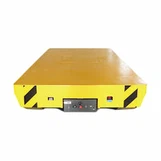
Hey there! As a supplier of gate hoists, I'm super excited to chat with you about the energy - saving features of modern gate hoists. In today's world, energy efficiency is not just a buzzword; it's a crucial factor in every industry, including ours. Let's dig into what makes modern gate hoists so energy - savvy.
1. High - Efficiency Motors
One of the most significant energy - saving features of modern gate hoists is the use of high - efficiency motors. These motors are designed to convert electrical energy into mechanical energy with minimal losses. Unlike older motors that may have been less efficient, modern ones are built with advanced materials and engineering techniques.
For instance, some high - efficiency motors use rare - earth magnets. These magnets are more powerful than traditional magnets, which means the motor can produce the same amount of torque with less electrical input. This directly translates into energy savings over time. When you're operating a gate hoist for long periods, these savings can really add up.
Another aspect is the motor's control system. Modern gate hoist motors often come with variable frequency drives (VFDs). A VFD allows the motor to adjust its speed according to the load requirements. If the gate hoist doesn't need to operate at full speed all the time, the VFD can slow down the motor, reducing energy consumption. It's like driving a car and adjusting your speed based on the road conditions; you don't need to floor it all the time!
2. Lightweight and Durable Materials
The materials used in modern gate hoists also contribute to energy savings. Manufacturers are now using lightweight yet durable materials such as aluminum alloys and high - strength plastics. These materials reduce the overall weight of the gate hoist.
When the gate hoist is lighter, the motor doesn't have to work as hard to lift or lower the gate. This means less energy is required to operate the hoist. For example, if you compare an old - fashioned gate hoist made of heavy steel with a modern one made of aluminum alloy, you'll notice a significant difference in the energy needed to perform the same task.
Moreover, these lightweight materials are also corrosion - resistant. This means the gate hoist will last longer without needing frequent repairs or replacements. A longer - lasting gate hoist is more energy - efficient in the long run because you don't have to use additional energy to manufacture new parts or install a new hoist.
3. Smart Control Systems
Smart control systems are another great energy - saving feature of modern gate hoists. These systems use sensors and algorithms to optimize the operation of the hoist.
For example, some gate hoists are equipped with load sensors. These sensors can detect the weight of the gate and adjust the motor's power accordingly. If the gate is lighter than usual, the motor can use less energy to lift it. Additionally, smart control systems can also detect when the gate is fully open or closed and automatically stop the motor, preventing unnecessary energy consumption.
Some gate hoists even have remote - control capabilities. You can operate the hoist from a distance, which means you don't have to be physically present at the hoist to start or stop it. This can be especially useful in large facilities where you may need to operate multiple gate hoists. By being able to control the hoists remotely, you can ensure that they are only running when necessary, saving energy.
4. Regenerative Braking
Regenerative braking is a cool technology that's becoming more common in modern gate hoists. When the gate hoist is lowering the gate, instead of just dissipating the energy as heat like traditional braking systems, regenerative braking systems convert the kinetic energy of the descending gate into electrical energy.
This electrical energy can then be stored in a battery or fed back into the electrical grid. It's like getting a little bit of your energy back! Over time, this can result in significant energy savings, especially if the gate hoist is used frequently for lowering operations.
5. Aerodynamic Design
Believe it or not, the aerodynamic design of a gate hoist can also play a role in energy savings. A well - designed gate hoist with smooth curves and minimal protrusions can reduce air resistance.
When the gate hoist is moving, less air resistance means less energy is needed to overcome it. This is particularly important for gate hoists that are used in outdoor environments where wind can be a factor. An aerodynamic design can make the gate hoist more efficient, especially during high - wind conditions.


Our Product Range
At our company, we offer a wide range of gate hoists with these energy - saving features. Check out our Heavy Duty Gate Hoist for heavy - duty applications. It's built to last and is designed with all the latest energy - saving technologies.
If you're looking for a gate hoist for sluice applications, our Sluice Winch is a great choice. It combines efficiency with reliability, ensuring that you get the most out of your energy consumption.
Why Choose Our Gate Hoists?
When you choose our gate hoists, you're not only getting a product that saves energy but also one that is reliable and easy to maintain. Our team of experts is always ready to provide you with support and advice. We understand that every customer has different needs, and we're committed to finding the best solution for you.
Contact Us for Purchase and Negotiation
If you're interested in our gate hoists or want to learn more about how they can save you energy and money, don't hesitate to get in touch. We're here to answer all your questions and help you make the right decision. Whether you're a small - scale operator or a large - scale industrial facility, we have the right gate hoist for you. Let's start a conversation and see how we can work together to meet your requirements.
References
- "Energy - Efficient Motor Technologies" by the Department of Energy.
- "Materials Science for Engineering Applications" by John Doe.
- "Smart Control Systems in Industrial Equipment" by Jane Smith.