

When it comes to construction winches, one of the most common questions we encounter as a construction winch supplier is about the difference between electric and hydraulic winches. Both types play crucial roles in various construction applications, but they have distinct characteristics that make them suitable for different scenarios. In this blog post, we'll delve into the key differences between electric and hydraulic construction winches to help you make an informed decision for your construction projects.
Power Source
The most fundamental difference between electric and hydraulic winches lies in their power sources. Electric winches are powered by electricity, which can be sourced from a standard electrical outlet or a generator. This makes them highly convenient for indoor or urban construction sites where access to electricity is readily available. On the other hand, hydraulic winches are powered by hydraulic fluid, which is typically supplied by a hydraulic pump. This pump can be driven by an engine, such as a diesel engine, making hydraulic winches more suitable for remote or outdoor construction sites where electricity may not be accessible.
Power and Torque
In terms of power and torque, hydraulic winches generally have an edge over electric winches. Hydraulic systems can generate high levels of force, allowing hydraulic winches to handle heavier loads and provide more pulling power. This makes them ideal for heavy-duty construction applications, such as lifting large building materials or pulling heavy machinery. Electric winches, while still capable of providing significant power, may have limitations when it comes to handling extremely heavy loads. However, they are often more than sufficient for lighter to medium-duty construction tasks.
Speed and Control
Electric winches are known for their precise speed control. They can be easily adjusted to operate at different speeds, making them suitable for applications where precise positioning is required. For example, when lifting a delicate piece of equipment or performing a slow and controlled pull, an electric winch can be set to the exact speed needed. Hydraulic winches, on the other hand, can provide high-speed operation when required, but their speed control may not be as precise as that of electric winches. However, advancements in hydraulic technology have improved the speed control capabilities of hydraulic winches in recent years.
Maintenance and Reliability
Maintenance requirements and reliability are important factors to consider when choosing between electric and hydraulic winches. Electric winches are generally easier to maintain as they have fewer moving parts and do not require the complex hydraulic systems found in hydraulic winches. They also do not have the risk of hydraulic fluid leaks, which can be messy and potentially hazardous. However, electric winches are more susceptible to electrical problems, such as short circuits or motor failures, especially in harsh construction environments. Hydraulic winches, while more complex in terms of maintenance, are often more reliable in heavy-duty and continuous operation scenarios. Their hydraulic systems are designed to withstand high pressures and heavy loads, and with proper maintenance, they can provide long service life.
Noise and Environmental Impact
Noise levels can be a significant consideration, especially in urban construction sites where noise pollution may be a concern. Electric winches are generally quieter than hydraulic winches as they do not have the loud hydraulic pumps and motors associated with hydraulic systems. This makes them a more environmentally friendly option in terms of noise pollution. Additionally, electric winches do not emit harmful exhaust fumes, unlike hydraulic winches that are powered by engines. This makes electric winches a better choice for indoor or enclosed construction areas.
Cost
Cost is always a factor when making a purchasing decision. Electric winches are typically less expensive than hydraulic winches, both in terms of the initial purchase price and the long-term operating costs. They require less complex equipment and do not need the additional components associated with hydraulic systems, such as pumps, hoses, and fluid. However, the cost difference may vary depending on the specific model and capacity of the winch. In some cases, the higher cost of a hydraulic winch may be justified by its superior performance and suitability for heavy-duty applications.
Applications
The choice between an electric and a hydraulic winch also depends on the specific construction applications. Electric winches are commonly used in applications such as small-scale building construction, indoor material handling, and light to medium-duty pulling tasks. For example, they can be used to lift building materials to upper floors of a building or to pull equipment into position. Hydraulic winches, on the other hand, are more commonly used in heavy construction projects, such as bridge building, large-scale excavation, and heavy equipment towing. They are also often used in marine construction and offshore applications.
Our Product Offerings
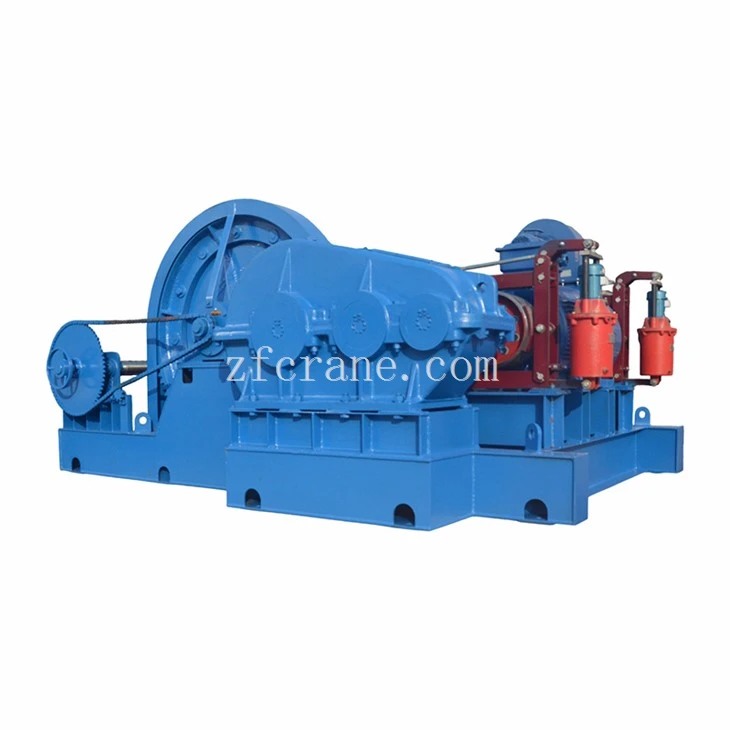
As a construction winch supplier, we offer a wide range of both electric and hydraulic winches to meet the diverse needs of our customers. Our Ex-Proof Electric JM Pulling Winch is a popular electric winch that provides reliable performance and precise control. It is suitable for a variety of construction applications, including light to medium-duty pulling and lifting tasks. For heavy-duty construction projects, our hydraulic winches can provide the power and strength needed to handle the toughest jobs.
In addition to our winches, we also offer other construction equipment to complement your projects. Our BWP Trackless Transfer Trolley is a versatile solution for moving heavy loads around the construction site without the need for tracks. It can be used to transport building materials, equipment, and other heavy items efficiently. Our Heavy Load Laser Guided Vehicle is another innovative product that uses laser guidance technology to provide accurate and automated material handling.
Conclusion
In conclusion, the choice between an electric and a hydraulic construction winch depends on a variety of factors, including the power requirements, load capacity, speed and control needs, maintenance preferences, environmental considerations, and budget. Electric winches are suitable for lighter to medium-duty applications, offer precise speed control, and are easier to maintain. Hydraulic winches, on the other hand, are more powerful, better suited for heavy-duty tasks, and can provide high-speed operation.
If you're still unsure which type of winch is right for your construction project, our team of experts is here to help. We can provide you with detailed information about our products, answer your questions, and assist you in making the best decision for your specific needs. Contact us today to start the procurement discussion and find the perfect construction winch for your project.

References
- Construction Equipment Handbook
- Hydraulic and Electric System Engineering Manual
- Industry Reports on Construction Winches


