Hey there! As a boom lift supplier, I often get asked about the fuel consumption of diesel boom lifts. It's a crucial question, especially for businesses looking to manage costs and plan their operations efficiently. So, let's dive right into it and break down what affects the fuel consumption of these machines.
What Factors Influence Diesel Boom Lift Fuel Consumption?
1. Model and Size
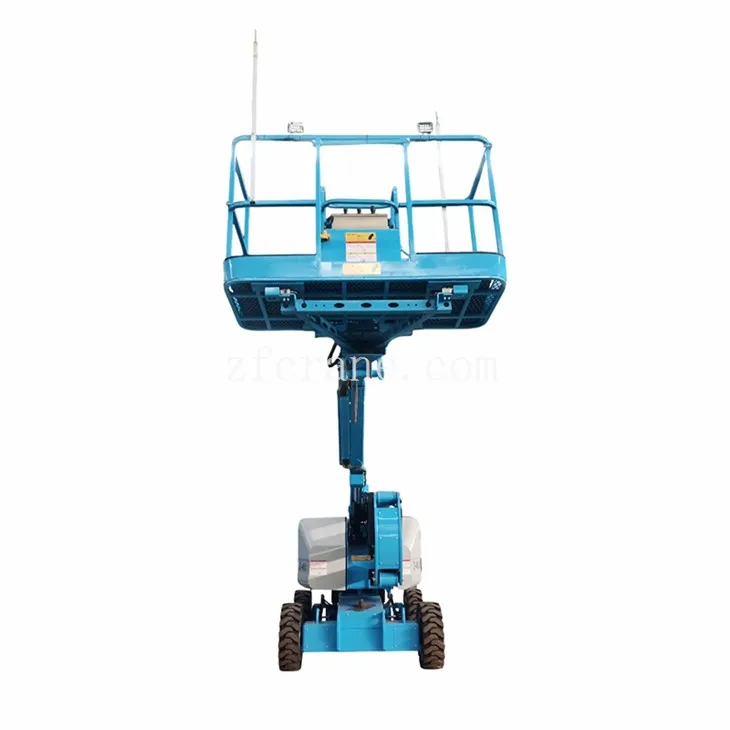
Different models of boom lifts come with varying engine sizes and power requirements. Larger boom lifts, especially those with higher lifting capacities and extended reach, typically have bigger engines. These engines need more fuel to operate. For example, a large - scale telescopic boom lift designed for heavy - duty industrial applications will consume more fuel compared to a smaller articulating boom lift used for lighter tasks. You can check out our Self Propelled Telescopic Boom Lift and Self Propelled Articulating Boom Lift to see the differences in size and capabilities.
2. Load and Usage
The amount of weight the boom lift is carrying and how intensively it's being used play a huge role. If you're constantly lifting heavy loads to great heights, the engine has to work harder, which means more fuel consumption. Also, continuous operation without breaks can lead to higher fuel use. On the other hand, if you're using the boom lift for light - duty tasks and giving it some rest intervals, the fuel consumption will be relatively lower.
3. Operating Conditions
The environment in which the boom lift is used matters a lot. Working on rough, uneven terrain or in extreme weather conditions can increase fuel consumption. For instance, if the ground is soft or muddy, the wheels or tracks have to work harder to move the machine, requiring more power from the engine. Similarly, extremely hot or cold temperatures can affect the engine's efficiency and lead to higher fuel usage.
Average Fuel Consumption Rates
It's tough to give an exact figure for diesel boom lift fuel consumption because of the factors mentioned above. However, I can give you a general idea.
Smaller diesel boom lifts, with a lifting capacity of around 2,000 - 3,000 pounds and a working height of up to 30 - 40 feet, might consume around 0.5 - 1 gallon of diesel per hour under normal operating conditions.
Medium - sized boom lifts, which can handle loads of 3,000 - 5,000 pounds and reach heights of 40 - 60 feet, usually consume between 1 - 2 gallons per hour.
Larger industrial - grade boom lifts, with lifting capacities over 5,000 pounds and working heights of 60 feet or more, can consume 2 - 4 gallons of diesel per hour or even more, depending on the load and usage.
How to Reduce Fuel Consumption
1. Proper Maintenance
Regular maintenance is key. Make sure the engine is tuned up, the air filters are clean, and the tires or tracks are properly inflated. A well - maintained engine runs more efficiently and uses less fuel.

2. Operator Training
Properly trained operators can make a big difference. They know how to operate the boom lift in the most fuel - efficient way, such as avoiding unnecessary idling and using the right speed and power settings for the task at hand.
3. Route Planning
If you're using the boom lift in a large area, plan your routes in advance. This can reduce the amount of time the machine spends moving around, which in turn saves fuel.
Comparing Diesel Boom Lifts with Other Types
Diesel boom lifts are known for their power and durability, but they're not the only option out there. Electric boom lifts are becoming increasingly popular, especially for indoor use or in areas where emissions are a concern.
Our Self Propelled Electric Articulating Boom Lift offers a great alternative. Electric boom lifts don't use diesel, so there's no fuel consumption in the traditional sense. Instead, they run on batteries, which can be more cost - effective in the long run, especially for short - term or low - intensity use. However, they may have limitations in terms of power and working time compared to diesel boom lifts.
Making the Right Choice for Your Business
When deciding between diesel and electric boom lifts, consider your specific needs. If you need a powerful machine for heavy - duty outdoor work and don't mind the fuel costs, a diesel boom lift might be the way to go. But if you're working indoors, in a noise - sensitive area, or for shorter periods, an electric boom lift could be a better choice.
As a boom lift supplier, I'm here to help you make the best decision for your business. Whether you're looking for information on fuel consumption, different models, or need advice on which boom lift suits your needs, I'm just a message away.
If you're interested in purchasing a boom lift or have any questions about our products, don't hesitate to reach out. We can discuss your requirements in detail and find the perfect solution for you. Let's work together to get your projects off the ground!
References
- Industry reports on construction equipment fuel efficiency
- Manufacturer specifications for diesel boom lifts