As a supplier of gate hoists, I often encounter inquiries regarding the lifting speed of these essential pieces of equipment. The lifting speed of a gate hoist is a critical factor that influences its efficiency, suitability for specific applications, and overall performance. In this blog, we will delve into the concept of gate hoist lifting speed, the factors that affect it, and how it impacts different projects.
Understanding Lifting Speed
The lifting speed of a gate hoist refers to the rate at which it can raise or lower a gate. It is typically measured in meters per minute (m/min) or feet per minute (ft/min). This speed is a crucial specification as it determines how quickly a gate can be opened or closed, which is vital in various scenarios such as flood control, water management, and industrial operations.
For instance, in a dam spillway, a fast - lifting gate hoist can quickly release excess water during heavy rainfall, preventing potential flooding. On the other hand, in a smaller water treatment plant, a slower and more controlled lifting speed might be sufficient and more appropriate for the operation.
Factors Affecting Lifting Speed
Motor Power
The power of the motor driving the gate hoist is one of the primary factors influencing its lifting speed. A more powerful motor can generate greater torque, allowing the hoist to lift the gate more quickly. For example, a high - powered electric motor in a Heavy Duty Gate Hoist can provide the necessary force to lift large and heavy gates at a relatively fast speed. In contrast, a smaller motor may be limited in its ability to accelerate the lifting process, resulting in a slower speed.
Gear Ratio
The gear ratio in the hoist's transmission system also plays a significant role. A lower gear ratio provides more torque but slower speed, while a higher gear ratio allows for faster movement but less torque. Gate hoists are often designed with a specific gear ratio based on the weight of the gate and the required lifting speed. For light - weight gates, a higher gear ratio can be used to achieve a faster lifting speed. However, for heavier gates, a lower gear ratio is necessary to ensure that the hoist can safely and effectively lift the load.
Gate Weight
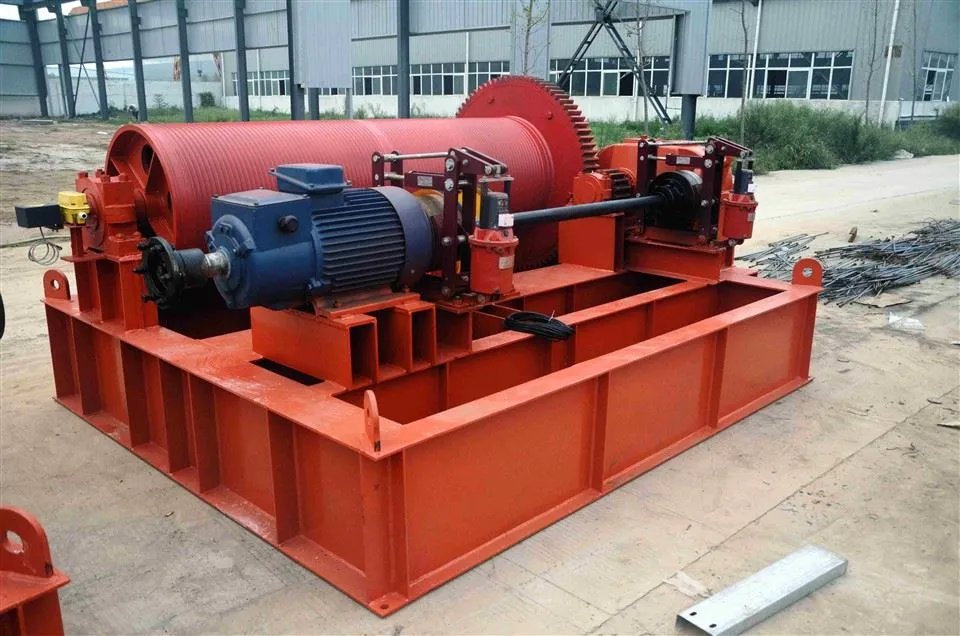
The weight of the gate itself is a crucial factor. Heavier gates require more force to lift, which generally results in a slower lifting speed. A Winch Type Gate Hoist may need to operate at a reduced speed when lifting a large, heavy gate to prevent overloading the motor and the hoist mechanism. In contrast, a lighter gate can be lifted more quickly with the same hoist.
Friction and Resistance
Friction in the hoist's moving parts, such as bearings and pulleys, as well as the resistance from the gate's guides and seals, can also affect the lifting speed. High levels of friction can slow down the hoist, as the motor has to work harder to overcome these forces. Regular maintenance, including lubrication of moving parts and inspection of seals, can help reduce friction and maintain an optimal lifting speed.
Importance of Lifting Speed in Different Applications
Flood Control
In flood control systems, such as those found in dams and levees, the lifting speed of gate hoists is of utmost importance. During a flood event, it is crucial to quickly open the gates to release excess water and prevent water levels from rising to dangerous levels. A fast - acting gate hoist can make a significant difference in minimizing flood damage. For example, a Spillway Winch with a high lifting speed can rapidly open the spillway gates, allowing water to flow out safely.
Water Management
In water treatment plants and irrigation systems, the lifting speed of gate hoists can impact the efficiency of water flow control. Gates need to be opened and closed at the right time to regulate the flow of water. A hoist with an appropriate lifting speed can ensure that the water level is maintained at the desired level, optimizing the treatment process or the irrigation system's performance.
Industrial Applications
In industrial settings, such as mines and factories, gate hoists are used to control the movement of materials and access to different areas. The lifting speed can affect the overall productivity of the operation. A fast - lifting hoist can reduce the time required to move gates, allowing for a more efficient workflow.
Selecting the Right Lifting Speed
When selecting a gate hoist, it is essential to consider the specific requirements of the application. Here are some steps to help you choose the right lifting speed:
- Determine the Gate Weight: Measure the weight of the gate accurately. This will help you understand the force required to lift the gate and select a hoist with the appropriate motor power and gear ratio.
- Assess the Application Requirements: Consider the purpose of the gate and the speed at which it needs to be opened or closed. For example, if it is for flood control, a faster lifting speed may be necessary.
- Evaluate the Operating Conditions: Take into account factors such as friction, resistance, and the environment in which the hoist will operate. Harsh conditions may require a hoist with a more robust design and a suitable lifting speed.
- Consult with Experts: As a gate hoist supplier, we have extensive experience in the field. Our team of experts can provide valuable advice on selecting the right hoist with the appropriate lifting speed for your specific needs.
Conclusion
The lifting speed of a gate hoist is a complex yet crucial aspect that affects its performance and suitability for different applications. By understanding the factors that influence lifting speed, such as motor power, gear ratio, gate weight, and friction, you can make an informed decision when selecting a gate hoist. Whether you need a fast - acting hoist for flood control or a more controlled speed for water management, we are here to help you find the perfect solution.
If you are interested in purchasing a gate hoist or have any questions about lifting speed and our products, please feel free to contact us. Our team is ready to assist you in finding the most suitable gate hoist for your project.

References
- "Handbook of Hoist Design and Operation", Industry Press, 20XX
- "Water Management Systems: Principles and Practices", Academic Publishers, 20XX