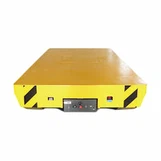
As a seasoned supplier of scissor lifts, I often encounter a frequently asked question: "What is the speed of a scissor lift?" Understanding the speed of a scissor lift is crucial for both our clients and those in the industry, as it directly impacts efficiency, productivity, and safety in various work environments. In this blog post, I'll delve into the factors that determine the speed of scissor lifts, explore different types of scissor lifts and their typical speeds, and discuss how speed can affect your work operations.
Factors Affecting the Speed of Scissor Lifts
Several key factors influence the speed at which a scissor lift can operate. These factors range from the design and technology of the lift to the load it is carrying and the working environment.
Design and Technology
The design of a scissor lift plays a significant role in determining its speed. Modern scissor lifts are equipped with advanced hydraulic or electric systems that are designed to optimize lifting and lowering speeds. Hydraulic scissor lifts, for example, use hydraulic cylinders to raise and lower the platform. The size and power of these cylinders, as well as the efficiency of the hydraulic pump, can greatly affect the lift's speed. Electric scissor lifts, on the other hand, rely on electric motors to drive the lifting mechanism. The power output of the motor and the efficiency of the electrical system are key determinants of the lift's speed.
Load Capacity
The load that a scissor lift is carrying also has a direct impact on its speed. As the load increases, the lift's motor or hydraulic system has to work harder to raise and lower the platform. This can result in slower lifting and lowering speeds. Most scissor lifts are designed to operate at optimal speeds within a specified load capacity range. Exceeding this range can not only slow down the lift but also pose a safety risk.
Working Environment
The working environment in which a scissor lift is used can also affect its speed. Factors such as the surface condition, incline, and temperature can all impact the lift's performance. For example, a scissor lift operating on a rough or uneven surface may move more slowly to ensure stability and safety. Similarly, extreme temperatures can affect the viscosity of the hydraulic fluid in a hydraulic scissor lift, which can in turn affect its speed.
Typical Speeds of Different Types of Scissor Lifts
There are several types of scissor lifts available on the market, each with its own typical speed range. Here are some of the most common types and their approximate speeds:
Self - Propelled Hydraulic Scissor Lift
Self - Propelled Hydraulic Scissor Lifts are widely used in construction, maintenance, and industrial applications. These lifts are known for their robust design and ability to handle heavy loads. The lifting speed of a self - propelled hydraulic scissor lift typically ranges from 0.1 to 0.3 meters per second. The driving speed of these lifts on a flat surface can vary from 2 to 5 kilometers per hour, depending on the model and the load. To learn more about our self - propelled hydraulic scissor lifts, visit Self Propelled Hydraulic Scissor Lift.
Self - Propelled Electric Scissor Lift
Self - Propelled Electric Scissor Lifts are popular for indoor use due to their quiet operation and zero emissions. These lifts are generally lighter and more maneuverable than hydraulic scissor lifts. The lifting speed of a self - propelled electric scissor lift is usually in the range of 0.15 to 0.4 meters per second. The driving speed of these lifts on a flat surface can range from 3 to 6 kilometers per hour. If you're interested in our self - propelled electric scissor lifts, check out Self Propelled Electric Scissor Lift.
The Importance of Speed in Work Operations
The speed of a scissor lift can have a significant impact on work operations. Here's how:
Efficiency and Productivity
A faster scissor lift can complete tasks more quickly, which can lead to increased efficiency and productivity on the job site. For example, in a large - scale construction project, a scissor lift that can quickly move workers and materials to different heights can save a significant amount of time. This can result in faster project completion and potentially lower costs.
Safety
While speed is important for efficiency, it's equally important to ensure that the scissor lift operates at a safe speed. A lift that moves too quickly can pose a safety risk, especially if the operator is not properly trained or if the working environment is not suitable. It's essential to follow the manufacturer's guidelines regarding speed limits and to ensure that the lift is operated safely at all times.
Choosing the Right Speed for Your Needs
When selecting a scissor lift, it's important to consider your specific needs and requirements. If you need to complete tasks quickly and efficiently, a scissor lift with a higher speed may be a better choice. However, you also need to consider factors such as load capacity, working environment, and safety.
If you're working in a confined space or on a delicate surface, a slower - moving scissor lift may be more appropriate to ensure stability and prevent damage. On the other hand, if you're working on a large - scale project with a lot of vertical movement, a faster scissor lift can help you save time and increase productivity.
Conclusion
In conclusion, the speed of a scissor lift is determined by a variety of factors, including design, load capacity, and working environment. Different types of scissor lifts have different typical speed ranges, and choosing the right speed for your needs is crucial for ensuring efficiency, productivity, and safety in your work operations.
As a scissor lift supplier, we are committed to providing our clients with high - quality scissor lifts that meet their specific requirements. Whether you need a fast - moving lift for a large - scale project or a slower, more stable lift for a delicate job, we have the expertise and the products to help you. If you're interested in learning more about our scissor lifts or would like to discuss your specific needs, please don't hesitate to contact us. We look forward to working with you to find the perfect scissor lift solution for your business.


References
- Construction Equipment Handbook: A comprehensive guide to the design, operation, and maintenance of construction equipment, including scissor lifts.
- Scissor Lift Manufacturer's Manuals: These manuals provide detailed information about the specifications, performance, and safety features of different scissor lift models.