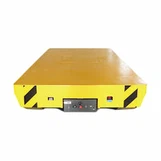
In the industrial landscape, transfer trolleys play a pivotal role in material handling and transportation. As a reputable transfer trolley supplier, I understand the paramount importance of safety in these operations. Safety features are not just add - ons; they are essential components that ensure the well - being of operators, the integrity of goods, and the smooth running of the entire production process.
Emergency Stop Systems
One of the most fundamental safety features on a transfer trolley is the emergency stop system. This system allows operators to immediately halt the trolley's movement in case of an emergency. It typically consists of large, easily accessible buttons located at multiple points on the trolley, such as the control panel and along the sides. When an emergency stop button is pressed, all power to the trolley's motors is cut off, bringing it to an immediate stop. This feature is crucial in preventing accidents, such as collisions with other equipment or personnel, and can significantly reduce the risk of serious injury or damage.
Collision Detection Sensors
Collision detection sensors are another vital safety addition. These sensors use various technologies, such as ultrasonic, infrared, or laser, to detect obstacles in the trolley's path. When an obstacle is detected, the trolley will automatically slow down and stop before a collision occurs. For example, in a busy warehouse environment where there are constantly moving forklifts, pallets, and workers, collision detection sensors can prevent costly accidents. Some advanced sensors can even distinguish between different types of obstacles and adjust the trolley's response accordingly.
Overload Protection
Overload protection is a key safety feature that safeguards the transfer trolley and its components from damage due to excessive weight. Transfer trolleys are designed to handle a specific load capacity, and exceeding this limit can lead to mechanical failures, structural damage, and even accidents. Overload protection systems monitor the weight of the load being carried by the trolley. If the load exceeds the rated capacity, the trolley will either prevent further loading or stop operating altogether. This not only protects the equipment but also ensures the safety of the operators and the surrounding environment.
Speed Control and Limiting
Proper speed control is essential for the safe operation of a transfer trolley. Speed control systems allow operators to adjust the trolley's speed according to the specific requirements of the task, such as the type of load, the terrain, and the working environment. In addition to speed control, many transfer trolleys are equipped with speed - limiting features. These features prevent the trolley from exceeding a pre - set maximum speed, reducing the risk of accidents caused by high - speed collisions or loss of control. For instance, in a confined space or an area with a lot of pedestrian traffic, a lower speed limit can be set to ensure safety.
Anti - Slip Surfaces
The surfaces of a transfer trolley, especially those where operators stand or where goods are loaded, are often treated with anti - slip materials. Anti - slip surfaces provide better traction, reducing the risk of slips, trips, and falls. This is particularly important when the trolley is operating in wet or oily conditions, or when there are vibrations during movement. By ensuring that operators can maintain a stable footing, anti - slip surfaces contribute to a safer working environment.
Safety Guards and Enclosures
Safety guards and enclosures are used to protect operators from moving parts, such as motors, gears, and chains. These guards prevent accidental contact with these hazardous components, reducing the risk of serious injuries, such as amputations or lacerations. In addition, safety enclosures can also protect the internal components of the trolley from dust, debris, and other contaminants, which can extend the lifespan of the equipment and improve its reliability.
Remote Control and Monitoring
Many modern transfer trolleys are equipped with remote control and monitoring systems. Remote control allows operators to control the trolley from a safe distance, which is particularly useful in dangerous or hard - to - reach areas. Monitoring systems, on the other hand, provide real - time information about the trolley's operation, such as its speed, load, and battery status. Operators can use this information to detect potential problems early and take appropriate action to prevent accidents. For example, if the monitoring system detects a sudden increase in temperature in the motor, it could indicate a problem, and the operator can stop the trolley for inspection.
Integration with Other Equipment
Transfer trolleys can also be integrated with other equipment in the production line, such as Double Girder Wire Rope Hoist and Heavy Duty Marine Hydraulic Winch. This integration can enhance the overall safety and efficiency of the material handling process. For example, when a transfer trolley is used in conjunction with a hoist, the two systems can be synchronized to ensure smooth and safe loading and unloading operations.
Automated Guided Vehicle (AGV) Features
For those interested in more advanced and automated solutions, our Automated Guided Vehicle models come with a host of advanced safety features. AGVs use sensors and software to navigate autonomously, which reduces the risk of human error. They can follow pre - programmed routes, avoid obstacles, and communicate with other equipment in the facility. In addition, AGVs are often equipped with redundant safety systems to ensure reliable operation.
As a transfer trolley supplier, we are committed to providing high - quality products with comprehensive safety features. Our transfer trolleys are designed and manufactured to meet the highest safety standards in the industry. We understand that safety is not just a feature but a responsibility, and we strive to ensure that our customers can operate our trolleys with confidence.
If you are in the market for a transfer trolley and are concerned about safety, we invite you to contact us for a detailed discussion. Our team of experts can help you choose the right transfer trolley with the appropriate safety features for your specific needs. Whether you are in a manufacturing plant, a warehouse, or a port, we have the solution to meet your material handling requirements. Let's work together to create a safer and more efficient working environment.
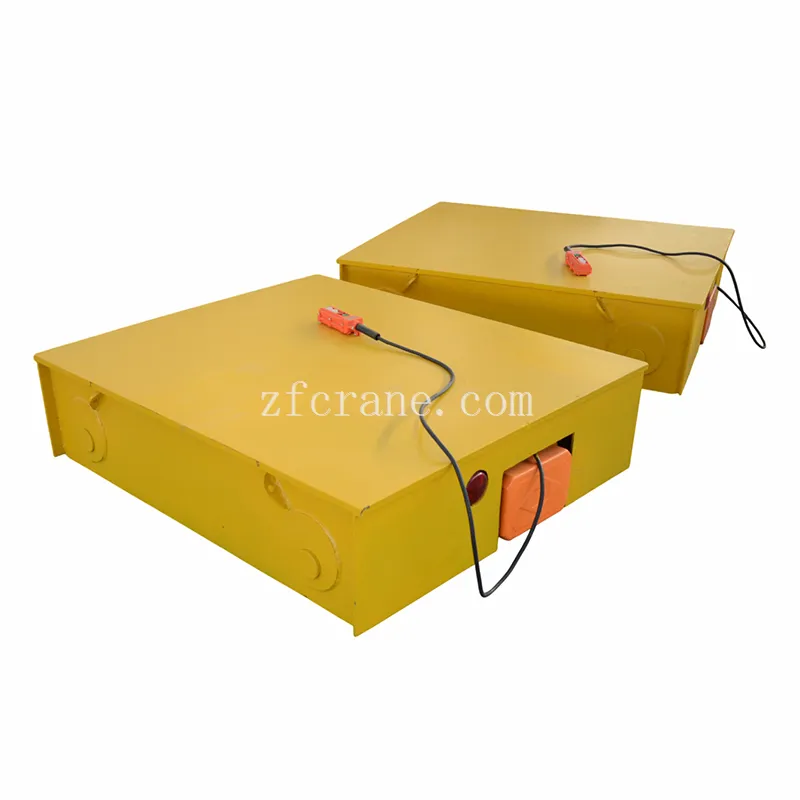

References
- Industrial Safety Handbook, Third Edition. John Wiley & Sons, Inc.
- Material Handling Equipment Safety Standards, OSHA Publications.
- Transfer Trolley Design and Safety Guidelines, Industry Research Reports.