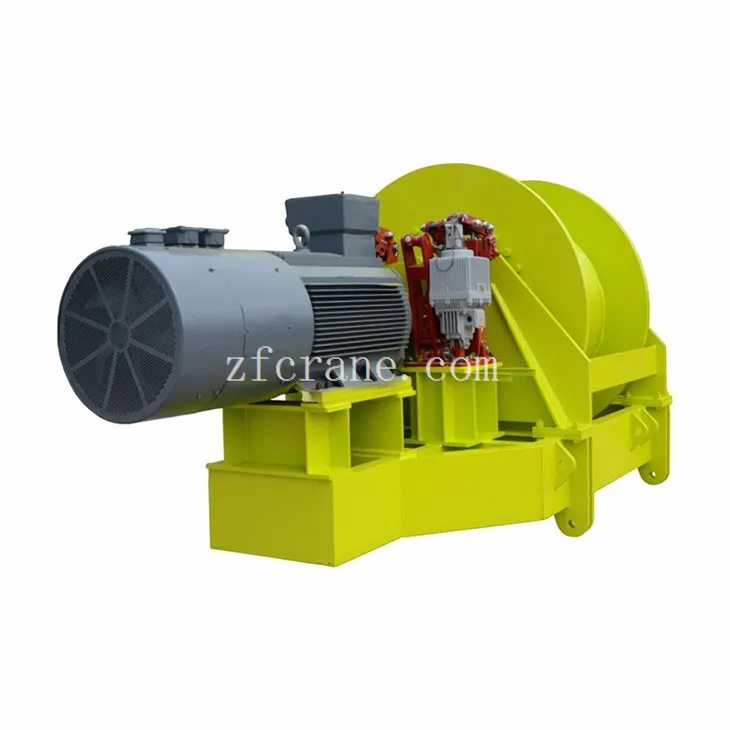
As a supplier of JK-D planetary winches, ensuring the integrity of the rope on these winches is of utmost importance. Not only does it directly impact the winch's performance, but it also plays a crucial role in maintaining safety during operations. In this blog post, I'll share some essential steps and tips on how to check the integrity of the rope on JK-D planetary winches.
Understanding the Importance of Rope Integrity
Before delving into the inspection process, it's crucial to understand why rope integrity is so vital. The rope on a JK-D planetary winch is the primary component responsible for lifting and pulling heavy loads. Any damage or wear on the rope can lead to a significant reduction in its strength. This can result in unexpected failures, which not only pose a risk to the equipment but also to the safety of the operators and those in the vicinity.
Pre - Inspection Preparations
Before starting the inspection, it's essential to take some preparatory steps. First, ensure that the winch is completely shut down and disconnected from the power source. This will prevent any accidental activation during the inspection, which could lead to serious injuries. Next, gather the necessary tools for the inspection, such as a magnifying glass, a caliper, and a flexible tape measure.
Visual Inspection
The first step in checking the rope's integrity is a thorough visual inspection. Start by examining the entire length of the rope. Look for any signs of fraying, which can occur at the outer strands of the rope. Fraying is often an indication of excessive friction or abrasion, which can weaken the rope over time. Check for broken wires as well. Even a single broken wire can be a sign of a more significant problem, as it can lead to further wire breakage and eventual rope failure.
Inspect the rope for any signs of corrosion, especially if the winch is used in a harsh or corrosive environment. Corrosion can eat away at the metal wires in the rope, reducing its strength and structural integrity. Pay close attention to areas where the rope comes into contact with the winch's drum and sheaves, as these are the areas most prone to wear and damage.
Measuring the Rope Diameter
Use a caliper to measure the diameter of the rope at several points along its length. Compare these measurements with the manufacturer's specifications for the rope. A decrease in diameter could indicate significant wear or damage to the rope. If the measured diameter is below the specified minimum, it may be time to replace the rope to ensure safe operation.
Measure the lay length of the rope, which is the distance required for one complete twist of the strands. A change in the lay length can be a sign of internal damage or over - stress to the rope. If the lay length has changed significantly, it's a strong indication that the rope should be replaced.
Checking the End Fittings
The end fittings of the rope, such as hooks and shackles, are also critical components to inspect. Check for any signs of wear, cracks, or deformation in the end fittings. These parts are subjected to high stress during operation, and any damage can lead to a catastrophic failure. Ensure that the end fittings are properly secured to the rope and that there are no loose connections.
Inspecting the Rope's Bends and Kinks
Examine the rope for any bends or kinks. Bends and kinks can cause internal damage to the rope, reducing its strength and flexibility. If a bend or kink is severe, it may be necessary to replace the affected section of the rope or the entire rope, depending on the extent of the damage.
Frequency of Inspections
Regular inspections are essential for maintaining the integrity of the rope on JK - D planetary winches. The frequency of inspections depends on several factors, such as the frequency of use, the type of loads being lifted, and the operating environment. For winches that are used frequently or in harsh conditions, daily inspections are recommended. For less frequently used winches, weekly or monthly inspections may be sufficient.
Maintenance and Replacement
If any damage or signs of wear are found during the inspection, it's important to take appropriate action immediately. Minor damage, such as a few frayed strands, can sometimes be repaired by trimming the frayed ends and applying a protective coating. However, if the damage is more severe, such as multiple broken wires or significant corrosion, the rope should be replaced.
When replacing the rope, it's crucial to use a rope that meets the manufacturer's specifications for the JK - D planetary winch. Using the wrong type of rope can lead to reduced performance and increased safety risks.

The Role of Training
Proper training for operators is also essential in ensuring the integrity of the rope on JK - D planetary winches. Operators should be trained on how to inspect the rope, how to use the winch correctly to minimize wear on the rope, and how to recognize the signs of a damaged rope. Training can help prevent unnecessary damage to the rope and ensure the safe operation of the winch.
Conclusion
Checking the integrity of the rope on JK - D planetary winches is a critical task that should not be overlooked. By following the steps outlined in this blog post, you can ensure that the rope on your winch is in good condition and capable of safely handling the loads it is designed for.
If you're interested in purchasing a high - quality JK - D planetary winch or have any questions about rope inspection and maintenance, we're here to help. Our team of experts can provide you with more information and assistance. Feel free to contact us to start the procurement discussion and find the best solution for your needs.
For more information about our JK - D planetary winches, you can visit our product pages: JK - D Planetary Electric Winch and JKD Electric Portable Planetary Drive Winch.
References
- Winch Manufacturer's Handbook
- Industry Standards for Rope Inspection and Maintenance