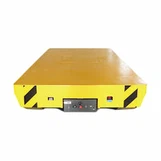
As a supplier of KPD transfer carts, I understand the paramount importance of ensuring the stability of these carts during transportation. Stability is not only crucial for the safety of the goods being transported but also for the longevity of the cart itself. In this blog post, I will share some key strategies and considerations to help you maintain the stability of your KPD transfer cart.
Understanding the KPD Transfer Cart
Before delving into the stability measures, it's essential to have a basic understanding of the KPD transfer cart. The KPD Rail Transfer Cart is a type of rail transfer cart that is powered by low-voltage electricity. It is widely used in various industries for transporting heavy loads within a limited area, such as factories, warehouses, and workshops.
The KPD transfer cart typically consists of a frame, wheels, a power system, and a control system. The frame is designed to support the load, while the wheels ensure smooth movement along the rails. The power system provides the necessary energy for the cart to operate, and the control system allows the operator to control the speed, direction, and braking of the cart.
Factors Affecting the Stability of the KPD Transfer Cart
Several factors can affect the stability of the KPD transfer cart during transportation. Understanding these factors is the first step in implementing effective stability measures.
Load Distribution
One of the most critical factors affecting the stability of the KPD transfer cart is the load distribution. Uneven load distribution can cause the cart to tilt or tip over, especially when navigating turns or inclines. To ensure stability, it is essential to distribute the load evenly across the cart's platform. This can be achieved by using appropriate loading techniques, such as centering the load and using load restraint systems.
Speed and Acceleration
The speed and acceleration of the KPD transfer cart also play a significant role in its stability. High speeds and sudden accelerations can increase the risk of instability, especially when the cart is carrying a heavy load. To maintain stability, it is recommended to operate the cart at a moderate speed and avoid sudden changes in speed or direction. Additionally, the cart's acceleration and deceleration rates should be carefully controlled to prevent excessive forces from acting on the cart.
Rail Conditions
The condition of the rails on which the KPD transfer cart operates can also affect its stability. Uneven or damaged rails can cause the cart to vibrate or derail, leading to instability. Regular inspection and maintenance of the rails are essential to ensure their smoothness and alignment. Any signs of wear, damage, or misalignment should be addressed promptly to prevent potential stability issues.


Cart Design and Construction
The design and construction of the KPD transfer cart itself can also impact its stability. A well-designed cart with a low center of gravity, sturdy frame, and reliable wheels is more likely to be stable during transportation. When selecting a KPD transfer cart, it is important to choose a model that is specifically designed for the intended application and load capacity. Additionally, the cart should be constructed using high-quality materials and components to ensure its durability and reliability.
Strategies for Ensuring the Stability of the KPD Transfer Cart
Based on the factors discussed above, here are some strategies that can be implemented to ensure the stability of the KPD transfer cart during transportation.
Proper Load Securement
Proper load securement is essential to prevent the load from shifting or falling during transportation. This can be achieved by using appropriate load restraint systems, such as straps, chains, or nets. The load should be secured tightly to the cart's platform to minimize movement and ensure even distribution of the weight. Additionally, the load restraint system should be regularly inspected and maintained to ensure its effectiveness.
Speed and Acceleration Control
As mentioned earlier, controlling the speed and acceleration of the KPD transfer cart is crucial for maintaining stability. The cart should be operated at a moderate speed, especially when carrying a heavy load or navigating turns or inclines. The acceleration and deceleration rates should also be carefully controlled to prevent excessive forces from acting on the cart. This can be achieved by using the cart's control system to set appropriate speed limits and acceleration/deceleration profiles.
Rail Maintenance
Regular maintenance of the rails is essential to ensure the stability of the KPD transfer cart. The rails should be inspected regularly for signs of wear, damage, or misalignment. Any issues should be addressed promptly to prevent potential stability problems. Additionally, the rails should be kept clean and free of debris to ensure smooth movement of the cart.
Cart Inspection and Maintenance
In addition to rail maintenance, regular inspection and maintenance of the KPD transfer cart itself are also important for ensuring its stability. The cart should be inspected before each use to check for any signs of damage or malfunction. Any issues should be repaired immediately to prevent potential stability problems. Additionally, the cart's components, such as the wheels, brakes, and power system, should be regularly maintained to ensure their proper functioning.
Operator Training
Proper operator training is essential for ensuring the safe and stable operation of the KPD transfer cart. Operators should be trained on the proper use of the cart's control system, load securement techniques, and safety procedures. They should also be familiar with the factors that can affect the cart's stability and how to respond to potential stability issues. Regular training and refresher courses should be provided to ensure that operators are up-to-date on the latest safety practices and procedures.
Conclusion
Ensuring the stability of the KPD transfer cart during transportation is crucial for the safety of the goods being transported and the longevity of the cart itself. By understanding the factors that can affect the cart's stability and implementing the strategies discussed in this blog post, you can minimize the risk of instability and ensure the safe and efficient operation of your KPD transfer cart.
If you are interested in learning more about our Rail Transfer Cart or have any questions about ensuring the stability of your KPD transfer cart, please feel free to contact us. We are a leading supplier of KPD transfer carts and can provide you with the expertise and support you need to make the right choice for your application.