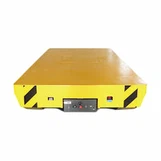
As a supplier of KPD transfer carts, ensuring the performance of our products before they reach our customers is of utmost importance. In this blog, I'll share a comprehensive guide on how to test the performance of a KPD transfer cart before use.
1. Visual Inspection
Before diving into complex performance tests, a thorough visual inspection is the first step. Check the overall structure of the KPD transfer cart. Look for any visible damages such as cracks in the frame, bent components, or loose parts. Inspect the wheels carefully. They should be free from excessive wear, flat spots, or any signs of damage. The surface of the wheels should be smooth and clean. Also, examine the electrical wiring. Ensure that all wires are properly connected, without any frayed or exposed sections. Any loose connections or damaged wires can lead to electrical malfunctions during operation.
2. Electrical System Testing
The electrical system is the heart of a KPD transfer cart. Start by checking the power supply. If it's a Rail Transfer Cart powered by low - voltage railways, verify that the power source is stable and within the specified voltage range. Use a multimeter to measure the voltage at the power input of the cart. Any significant deviation from the rated voltage can cause problems such as reduced speed or overheating of the electrical components.
Test the control system. The control panel should respond accurately to all input commands. Try different functions such as forward, reverse, speed adjustment, and stop. Make sure that the cart moves precisely as commanded. Check the emergency stop button. It should immediately halt the cart's movement when pressed. This is a critical safety feature, and its proper functioning is non - negotiable.
3. Mechanical Performance Testing
Wheel Movement
The wheels play a crucial role in the smooth operation of the KPD transfer cart. Rotate each wheel by hand to check for smooth rotation. There should be no excessive resistance or abnormal noises. If you notice any grinding or scraping sounds, it could indicate a problem with the wheel bearings or alignment.
Braking System
Test the braking system thoroughly. First, check the brake pads. They should have sufficient thickness and be in good condition. Then, apply the brakes while the cart is in motion. The cart should come to a complete stop within a reasonable distance. Measure the stopping distance and compare it with the specifications provided. A longer - than - normal stopping distance may suggest a problem with the brake mechanism.
Load - Carrying Capacity
Determine the maximum load - carrying capacity of the KPD transfer cart. Gradually add weights to the cart up to its rated capacity. Observe how the cart behaves under the load. It should move smoothly without any signs of excessive sagging or instability. Check the wheels and the frame for any signs of stress or deformation. If the cart shows signs of struggling to carry the load, it may not be suitable for its intended application.
4. Speed and Acceleration Testing
Use a speed measuring device to check the actual speed of the KPD transfer cart. Compare the measured speed with the specified speed in the product manual. The cart should be able to reach and maintain the rated speed under normal operating conditions.
Test the acceleration and deceleration of the cart. When starting from rest, the cart should accelerate smoothly without any jerks. Similarly, when decelerating, it should slow down gradually. Any sudden or uneven acceleration or deceleration can be a sign of problems with the motor control or the transmission system.
5. Safety Feature Testing
In addition to the emergency stop button, test other safety features such as collision sensors. If the cart is equipped with collision sensors, place an object in its path and observe how the cart responds. It should detect the object and stop before colliding with it. Check the warning lights and alarms. They should activate properly in case of emergencies or abnormal operating conditions.
6. Long - Term Operation Testing
To ensure the long - term reliability of the KPD transfer cart, conduct a long - term operation test. Run the cart continuously for a certain period, preferably several hours. Monitor its performance during this time. Check the temperature of the electrical components, especially the motor. Excessive heat can indicate overloading or inefficiencies in the electrical system.
Inspect the cart regularly during the long - term test. Look for any signs of wear and tear, such as loose parts or abnormal vibrations. Listen for any unusual noises that may develop over time. If any issues are detected, stop the test immediately and address the problem.


7. Compatibility Testing
If the KPD transfer cart is intended to work in a specific environment or with other equipment, conduct compatibility testing. For example, if it needs to interface with a conveyor system, ensure that the cart can smoothly transfer loads to and from the conveyor. Check the height, width, and alignment of the cart with the other equipment.
8. Documentation and Record - Keeping
Throughout the testing process, keep detailed records of all the tests performed, including the test results, any problems encountered, and the actions taken to resolve them. This documentation is valuable for quality control purposes and can also be provided to the customer as proof of the cart's performance.
As a supplier of KPD Rail Transfer Cart, we are committed to providing high - quality products. By following these comprehensive testing procedures, we can ensure that our KPD transfer carts meet the highest standards of performance and safety.
If you are interested in purchasing a KPD transfer cart or have any questions about our products, please feel free to contact us for further discussion and negotiation. We are here to provide you with the best solutions for your material handling needs.
References
- Manufacturer's product manuals for KPD transfer carts
- Industry standards for material handling equipment performance testing