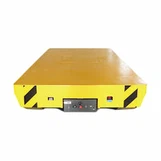
As an AGV supplier, one of the most critical aspects we often discuss with our clients is the backup options for AGV power systems. AGVs, or Automated Guided Vehicles, are essential in modern industrial operations, providing efficient and flexible material handling solutions. However, their continuous operation heavily relies on a stable power supply. In this blog, we will explore the various backup options available for AGV power systems, ensuring that your operations can run smoothly without significant disruptions.
Importance of Backup Power for AGVs
AGVs are designed to work in a variety of industrial settings, from warehouses and manufacturing plants to logistics centers. Any interruption in their power supply can lead to production delays, increased costs, and potential safety hazards. Backup power systems are crucial to maintain the reliability and efficiency of AGV operations. They ensure that AGVs can continue to function during power outages, charger failures, or other unforeseen circumstances, minimizing downtime and maximizing productivity.
Types of Backup Options for AGV Power Systems
Battery Backup
Battery backup is the most common and widely used option for AGV power systems. AGVs typically use rechargeable batteries, such as lead - acid, lithium - ion, or nickel - metal hydride batteries. These batteries can store electrical energy and provide power to the AGV when the main power source is unavailable.
- Lead - Acid Batteries: Lead - acid batteries are one of the oldest and most well - known battery technologies. They are relatively inexpensive, have a high surge current capability, and are easy to recycle. However, they have a relatively low energy density, require regular maintenance, and have a limited number of charge - discharge cycles.
- Lithium - Ion Batteries: Lithium - ion batteries have gained popularity in recent years due to their high energy density, long cycle life, and low self - discharge rate. They can provide more power in a smaller and lighter package compared to lead - acid batteries. Additionally, they require less maintenance and can be charged more quickly. However, they are more expensive upfront and require more sophisticated battery management systems to ensure safe operation.
- Nickel - Metal Hydride Batteries: Nickel - metal hydride batteries offer a good balance between energy density, cost, and environmental friendliness. They have a higher energy density than lead - acid batteries and are less prone to the memory effect compared to nickel - cadmium batteries. However, they have a lower energy density than lithium - ion batteries and are more expensive than lead - acid batteries.
When using battery backup, it is important to consider the battery capacity, charging time, and the number of backup batteries required. A larger battery capacity will provide longer backup time, but it will also increase the weight and cost of the AGV. Additionally, a fast - charging battery can reduce the downtime between operations.
Ultracapacitors
Ultracapacitors, also known as supercapacitors, are another option for AGV power backup. Unlike batteries, which store energy chemically, ultracapacitors store energy electrostatically. This allows them to charge and discharge much faster than batteries, making them ideal for applications that require short - term power bursts.
Ultracapacitors have several advantages over batteries. They have a very long cycle life, can withstand a large number of charge - discharge cycles without significant degradation. They also have a high power density, which means they can deliver a large amount of power in a short period. However, they have a relatively low energy density compared to batteries, which means they can only provide power for a short time.
In AGV applications, ultracapacitors can be used in combination with batteries. The ultracapacitor can provide the high - power bursts required during acceleration and lifting operations, while the battery can provide the continuous power for normal operation. This combination can improve the overall efficiency and performance of the AGV.
Fuel Cells
Fuel cells are a promising option for AGV power backup, especially for applications that require long - term continuous operation. Fuel cells generate electricity through an electrochemical reaction between a fuel (such as hydrogen) and an oxidant (usually oxygen from the air).
- Hydrogen Fuel Cells: Hydrogen fuel cells are the most common type of fuel cells used in AGV applications. They offer several advantages, including high energy efficiency, zero emissions (only water is produced as a by - product), and long - range operation. However, the infrastructure for hydrogen production, storage, and distribution is still limited, which can be a challenge for widespread adoption.
- Methanol Fuel Cells: Methanol fuel cells are another option that uses methanol as a fuel. Methanol is easier to store and transport compared to hydrogen, and it can be produced from a variety of sources, including biomass. However, methanol fuel cells have a lower energy density compared to hydrogen fuel cells and may produce some emissions.
Fuel cells can provide a continuous and reliable power supply for AGVs, but they require a dedicated fuel supply system and proper maintenance. They are also relatively expensive compared to other backup options.
Considerations When Choosing a Backup Option
When choosing a backup option for your AGV power system, several factors need to be considered:
- Application Requirements: The specific requirements of your AGV application, such as the operating time, power consumption, and duty cycle, will determine the type and capacity of the backup power system needed. For example, if your AGV operates continuously for long periods, a fuel cell or a large - capacity battery may be more suitable.
- Cost: The cost of the backup power system includes not only the upfront purchase cost but also the operating and maintenance costs over its lifetime. Battery backup is generally the most cost - effective option for short - term backup, while fuel cells may be more cost - effective for long - term continuous operation.
- Space and Weight Constraints: The size and weight of the backup power system can affect the design and performance of the AGV. You need to ensure that the backup power system can fit within the available space on the AGV and does not exceed the weight limit.
- Environmental Impact: Consider the environmental impact of the backup power system, including the emissions, recyclability, and the source of the fuel or energy. For example, fuel cells and lithium - ion batteries are generally more environmentally friendly compared to lead - acid batteries.
Our AGV Solutions
At our company, we understand the importance of reliable power backup for AGV operations. We offer a range of AGV solutions, including the Heavy Load Laser Guided Vehicle and the Automated Guided Vehicle, which can be customized with different backup power options to meet your specific needs.
Our experienced team can help you evaluate the best backup option for your AGV power system based on your application requirements, budget, and environmental considerations. We also provide comprehensive after - sales support to ensure that your AGV operates smoothly and efficiently.

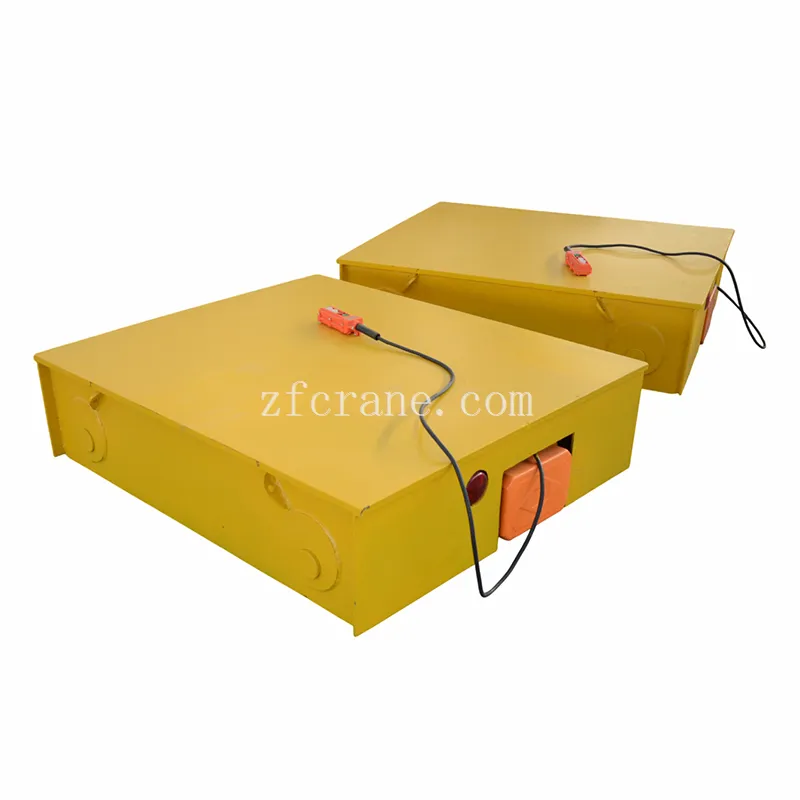
If you are interested in learning more about our AGV solutions or discussing the backup options for your AGV power system, we encourage you to contact us for a detailed consultation. Our experts are ready to assist you in finding the most suitable solution for your industrial operations.
References
- Doherty, R., & McCarthy, C. (2018). A review of energy storage options for electric vehicles. Renewable and Sustainable Energy Reviews, 91, 1004 - 1020.
- Karden, E., & Sauer, D. U. (2016). Electrochemical energy storage systems for automotive applications: Lithium - ion batteries vs. ultracapacitors. Journal of Power Sources, 312, 13 - 24.
- Larminie, J., & Dicks, A. (2003). Fuel cell systems explained. John Wiley & Sons.