

Hey there! As an AGV supplier, I often get asked about the maintenance costs associated with Automated Guided Vehicles (AGVs). It's a crucial topic because understanding these costs can help businesses make informed decisions when it comes to investing in AGV technology. So, let's dive right in and break down what you need to know.
First off, it's important to understand that the maintenance costs of AGVs can vary widely depending on several factors. These include the type of AGV, its usage frequency, the environment it operates in, and the level of sophistication of its technology.
Let's start with the different types of AGVs. There are various models out there, from small, light - duty AGVs used in warehouses for picking and sorting to heavy - duty ones designed to transport large and heavy loads. For instance, our Heavy Load Laser Guided Vehicle is built to handle really hefty stuff. These heavy - load AGVs generally have higher maintenance costs compared to their smaller counterparts. Why? Well, they have more powerful motors, larger batteries, and more complex mechanical components. All these parts need regular checks and occasional replacements, which can add up.
The usage frequency of an AGV is another major factor. If an AGV is running 24/7 in a high - volume manufacturing or distribution facility, it's going to experience more wear and tear than one that's used only a few hours a day. Think of it like a car. A car that's driven long distances every day will need more frequent oil changes, tire rotations, and other maintenance tasks than a car that's only used on weekends. Similarly, AGVs that are constantly on the move will require more regular maintenance, which means higher costs.
The environment in which an AGV operates also plays a big role. AGVs used in clean, temperature - controlled warehouses will likely have lower maintenance costs than those operating in harsh industrial environments. For example, AGVs in a steel mill or a chemical plant are exposed to dust, dirt, extreme temperatures, and corrosive substances. These conditions can damage the AGV's components more quickly, leading to more frequent repairs and replacements.

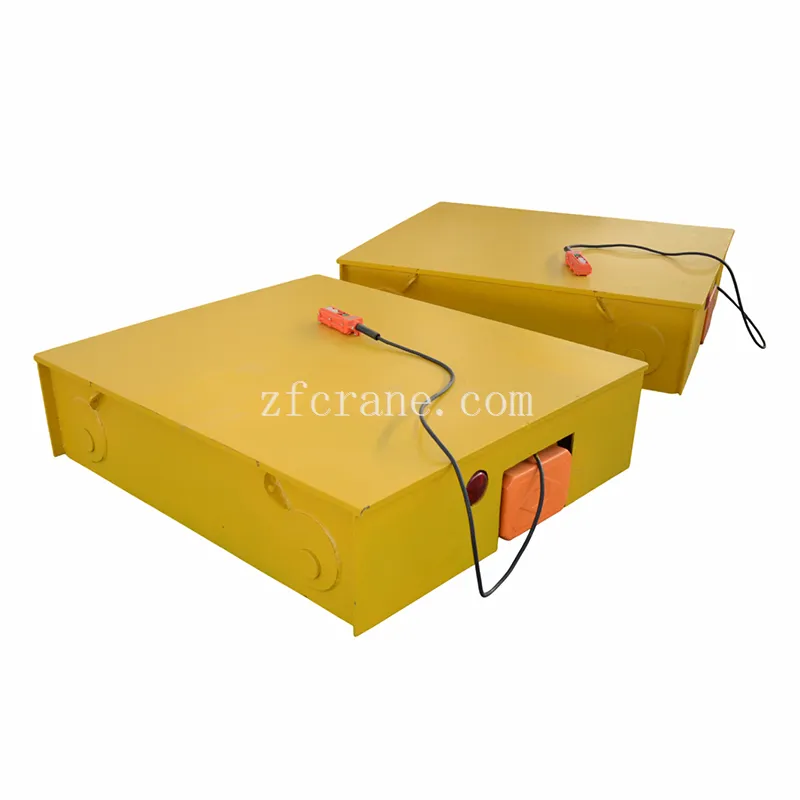
Now, let's talk about the specific components of an AGV and their associated maintenance costs.
1. Batteries
Batteries are a critical part of any AGV. They provide the power needed for the vehicle to move and operate its systems. The cost of battery maintenance can be significant. Most AGV batteries need to be regularly charged, and over time, their capacity will degrade. Eventually, they'll need to be replaced. The frequency of replacement depends on factors like the type of battery (lead - acid, lithium - ion, etc.), the charging and discharging cycles, and how well they're maintained. For example, lithium - ion batteries generally have a longer lifespan than lead - acid batteries but can be more expensive to replace. Proper battery maintenance, such as following the correct charging procedures and keeping the batteries clean, can help extend their life and reduce overall costs.
2. Motors and Drives
The motors and drives are what make the AGV move. These components are subject to a lot of stress during operation. Regular maintenance includes checking for proper alignment, lubrication, and inspecting for any signs of wear or damage. Over time, motor brushes may need to be replaced, and drive belts may wear out. In some cases, more major repairs or replacements of the motor or drive system may be required. The cost of these repairs can vary depending on the size and complexity of the AGV.
3. Sensors and Navigation Systems
AGVs rely on sensors and navigation systems to move around safely and accurately. These include laser scanners, cameras, and proximity sensors. These components need to be calibrated regularly to ensure accurate operation. If a sensor malfunctions, it can cause the AGV to operate incorrectly or even stop working altogether. Replacing sensors can be costly, especially for high - tech models. For example, our Automated Guided Vehicle uses advanced sensors for precise navigation, and while these sensors provide great performance, they do come with a maintenance cost.
4. Mechanical Components
The mechanical parts of an AGV, such as wheels, axles, and bearings, also require maintenance. Wheels can wear down over time, especially if the AGV is operating on rough surfaces. Axles and bearings need to be lubricated and inspected for signs of damage or misalignment. If these components fail, it can cause the AGV to break down and may require expensive repairs.
So, how can you manage these maintenance costs? Here are some tips:
- Regular Inspections: Conducting regular inspections of your AGVs can help you catch potential problems early. This can prevent small issues from turning into major, costly repairs.
- Proper Training: Make sure your staff is properly trained to operate and maintain the AGVs. This includes following the correct charging procedures, performing basic maintenance tasks, and knowing when to call in a professional.
- Maintenance Contracts: Consider signing a maintenance contract with your AGV supplier. This can provide you with regular maintenance services, access to spare parts, and technical support at a fixed cost.
In conclusion, while the maintenance costs associated with AGVs can be significant, they're an important part of owning and operating these vehicles. By understanding the factors that affect maintenance costs and taking proactive steps to manage them, businesses can ensure that their AGVs operate efficiently and cost - effectively over their lifespan.
If you're considering investing in AGVs for your business and want to learn more about the maintenance costs and how we can help you manage them, don't hesitate to reach out. We're here to answer all your questions and help you make the best decision for your operations. Whether you need a light - duty AGV for a small warehouse or a heavy - duty Heavy Load Laser Guided Vehicle for industrial applications, we've got you covered. Let's start a conversation about how AGVs can improve your productivity and streamline your processes.
References
- Industry research on AGV technology and maintenance
- Internal data from our experience as an AGV supplier


