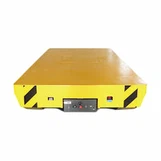
As a supplier of KPD transfer carts, I am often asked about electromagnetic compatibility (EMC) and its significance for our products. In this blog post, I will delve into what electromagnetic compatibility means in the context of KPD transfer carts, why it matters, and how we ensure our carts meet the necessary EMC standards.
What is Electromagnetic Compatibility?
Electromagnetic compatibility refers to the ability of an electrical or electronic device to operate as intended within its electromagnetic environment without causing or suffering unacceptable electromagnetic interference (EMI). EMI can disrupt the normal functioning of electronic equipment, leading to malfunctions, reduced performance, or even complete failure.
In the case of KPD transfer carts, electromagnetic compatibility is crucial because these carts are equipped with various electrical components, such as motors, controllers, sensors, and communication systems. These components generate and are susceptible to electromagnetic fields, which can interact with each other and with other nearby electronic devices. Ensuring EMC means that the cart can operate reliably and efficiently without interfering with other equipment or being affected by external electromagnetic noise.
Why is EMC Important for KPD Transfer Carts?
There are several reasons why electromagnetic compatibility is essential for KPD transfer carts:
1. Reliable Operation
KPD transfer carts are often used in industrial settings where consistent and reliable operation is critical. EMI can disrupt the cart's control systems, leading to erratic movement, inaccurate positioning, or unexpected stops. By ensuring EMC, we can minimize the risk of these issues and ensure that the cart performs its tasks accurately and efficiently.
2. Safety
Safety is a top priority in any industrial environment. EMI can interfere with safety-critical systems on the cart, such as emergency stop buttons, collision avoidance sensors, and warning signals. If these systems are compromised, it can pose a serious risk to operators and other personnel in the vicinity. By maintaining EMC, we can ensure that the cart's safety features function properly at all times.
3. Compliance with Regulations
Many countries and regions have regulations and standards regarding electromagnetic emissions and immunity. These regulations aim to protect the electromagnetic environment and ensure the proper functioning of electronic equipment. As a responsible supplier, we ensure that our KPD transfer carts comply with these regulations, which allows our customers to use the carts without worrying about legal issues.
How Do We Ensure EMC in KPD Transfer Carts?
At our company, we take several measures to ensure the electromagnetic compatibility of our KPD transfer carts:
1. Design and Component Selection
We start by carefully designing the electrical and electronic systems of the KPD transfer carts to minimize electromagnetic emissions and increase immunity to external interference. This includes selecting components that are specifically designed for EMC, such as shielded cables, low-noise power supplies, and filtered connectors. We also use proper grounding techniques and circuit layout to reduce the formation of electromagnetic loops and minimize the coupling of interference.
2. Testing and Certification
Before our KPD transfer carts are released to the market, they undergo rigorous EMC testing in accredited laboratories. These tests evaluate the cart's electromagnetic emissions and immunity to various types of interference, such as radio frequency (RF) radiation, electrostatic discharge (ESD), and electrical fast transients (EFT). If the cart passes the tests, it is issued with an EMC certificate, which demonstrates its compliance with relevant standards.
3. Continuous Improvement
We are committed to continuous improvement in the design and manufacturing of our KPD transfer carts. We stay up-to-date with the latest EMC technologies and standards and incorporate them into our products. We also collect feedback from our customers and use it to identify areas for improvement and make necessary adjustments to our production processes.
Real-World Applications of EMC in KPD Transfer Carts
To illustrate the importance of EMC in KPD transfer carts, let's consider a few real-world applications:
1. Automated Manufacturing Facilities
In automated manufacturing facilities, KPD transfer carts are used to transport raw materials, work-in-progress, and finished products between different production stations. These carts are integrated with other automated systems, such as conveyor belts, robotic arms, and control computers. EMI from the cart can interfere with the operation of these systems, leading to production delays and quality issues. By ensuring EMC, we can ensure seamless integration of the KPD transfer cart with the overall production line and maintain high levels of productivity.
2. Medical Facilities
In medical facilities, KPD transfer carts are sometimes used to transport medical equipment, supplies, and patient records. These carts are likely to be in close proximity to sensitive medical devices, such as MRI machines, CT scanners, and cardiac monitors. EMI from the cart can interfere with the operation of these medical devices, potentially compromising patient safety. By ensuring EMC, we can ensure that the KPD transfer cart does not pose any risk to the proper functioning of medical equipment in the facility.
3. Data Centers
In data centers, KPD transfer carts are used to move servers, storage devices, and other IT equipment. These carts operate in an environment that is highly sensitive to electromagnetic interference. EMI from the cart can disrupt the operation of servers and networking equipment, leading to data loss, system downtime, and other issues. By ensuring EMC, we can ensure that the KPD transfer cart can operate safely and efficiently in the data center environment without causing any disruption to the IT infrastructure.
Conclusion
In conclusion, electromagnetic compatibility is a critical aspect of the design, manufacturing, and operation of KPD transfer carts. By ensuring EMC, we can guarantee reliable operation, enhance safety, and comply with regulatory requirements. At our company, we are committed to providing high-quality KPD transfer carts that meet the highest standards of electromagnetic compatibility.
If you are interested in learning more about our KPD Rail Transfer Cart or Rail Transfer Cart products and their electromagnetic compatibility features, please feel free to contact us. We look forward to discussing your specific requirements and helping you find the right solution for your business.


References
- IEEE Standard for Electromagnetic Compatibility - Overall Criteria for the Design of Electronic Systems with Regard to Electromagnetic Interference.
- IEC 61000 series of standards for electromagnetic compatibility.
- Various industry whitepapers and technical articles on electromagnetic compatibility in industrial equipment.