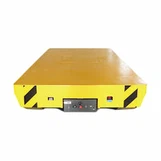
As a supplier of KPD transfer carts, one of the most frequently asked questions I encounter is about the noise level of these carts during operation. In this blog post, I'll delve into the factors influencing the noise level of KPD transfer carts, provide some typical noise level ranges, and discuss measures to manage and reduce noise.
Understanding the KPD Transfer Cart
Before we discuss the noise level, let's briefly introduce the KPD transfer cart. The KPD Rail Transfer Cart is a type of Rail Transfer Cart that is widely used in industrial settings for transporting heavy loads. It operates on rails, which provides stability and precision in movement. These carts are powered by various means, such as low - voltage railways, battery, or cable reel, depending on the specific requirements of the application.
Factors Affecting the Noise Level
1. Power Source
The power source of the KPD transfer cart can significantly impact its noise level.
- Low - Voltage Railway Powered Carts: These carts use an electrical current flowing through the rails to power the motor. The electrical components, such as the motor and the control system, can generate a certain amount of electrical humming. However, compared to some other power sources, this type of cart generally produces relatively low noise. The motor's operation is smooth, and the electrical system is designed to minimize interference and noise generation.
- Battery - Powered Carts: Battery - powered KPD transfer carts rely on a battery pack to supply energy to the motor. The battery itself is silent, but the motor and the mechanical components connected to it can produce noise. The noise level may vary depending on the quality and design of the motor. High - quality motors with advanced insulation and noise - reduction features tend to operate more quietly.
- Cable Reel - Powered Carts: Carts powered by a cable reel have a cable that unwinds and winds as the cart moves. The movement of the cable on the reel can create some mechanical noise. Additionally, the motor and other mechanical parts also contribute to the overall noise level.
2. Mechanical Components
The mechanical parts of the KPD transfer cart play a crucial role in determining the noise level.
- Wheels and Rails: The interaction between the wheels and the rails is a major source of noise. When the cart moves, the wheels roll on the rails, and any irregularities in the wheel surface or the rail can cause vibrations and noise. For example, if the wheels are not properly aligned or if the rails are damaged or dirty, the noise level will increase. The material of the wheels also affects the noise. Rubber - coated wheels generally produce less noise than metal wheels because rubber can absorb some of the vibrations.
- Gearbox: The gearbox is used to transfer power from the motor to the wheels. A well - designed and maintained gearbox will operate smoothly and quietly. However, if the gears are worn out, misaligned, or not properly lubricated, they can generate significant noise. The gear meshing process can create a characteristic whining or grinding noise if there are issues with the gear teeth.
- Bearings: Bearings support the rotating shafts in the cart. Worn - out or damaged bearings can produce a high - pitched screeching or rattling noise. Regular inspection and replacement of bearings are essential to keep the noise level under control.
3. Load and Speed
The load carried by the KPD transfer cart and its operating speed also affect the noise level.
- Load: A heavier load puts more stress on the mechanical components, such as the wheels, the rails, and the motor. This increased stress can lead to more vibrations and noise. When the cart is overloaded, the noise level can increase significantly, and it may also cause premature wear and tear on the components.
- Speed: As the speed of the cart increases, the noise level generally rises as well. At higher speeds, the wheels roll more rapidly on the rails, and the mechanical parts experience greater forces. The air resistance also increases, which can contribute to the overall noise.
Typical Noise Level Ranges
The noise level of a KPD transfer cart during operation can vary widely depending on the factors mentioned above. In general, under normal operating conditions (moderate load, standard speed), the noise level of a well - maintained KPD transfer cart is usually in the range of 60 - 80 decibels (dB).
For a low - voltage railway powered cart with high - quality components and a smooth - running motor, the noise level may be around 60 - 70 dB. This is comparable to the noise level of normal conversation in a quiet office environment.
Battery - powered carts may have a noise level in the range of 65 - 75 dB, depending on the motor and the mechanical parts. Cable reel - powered carts, due to the additional noise from the cable movement, may have a slightly higher noise level, typically around 70 - 80 dB.
Noise Management and Reduction Measures
1. Regular Maintenance
Regular maintenance is crucial for keeping the noise level of the KPD transfer cart under control.
- Inspect and Clean the Rails: Regularly check the rails for damage, dirt, and debris. Clean the rails to ensure a smooth surface for the wheels to roll on. This can significantly reduce the noise caused by the wheel - rail interaction.
- Lubricate the Mechanical Components: Proper lubrication of the gearbox, bearings, and other moving parts can reduce friction and noise. Use high - quality lubricants recommended by the manufacturer.
- Check and Replace Worn - Out Parts: Regularly inspect the wheels, bearings, and other components for wear and tear. Replace any damaged or worn - out parts promptly to prevent excessive noise and ensure the safe operation of the cart.
2. Design Improvements
Manufacturers can implement several design improvements to reduce the noise level of KPD transfer carts.


- Noise - Reduction Materials: Use noise - absorbing materials in the construction of the cart. For example, adding rubber gaskets or insulation to the motor housing can reduce the transmission of noise.
- Optimized Wheel and Rail Design: Design the wheels and rails to minimize noise. This can include using special wheel profiles and rail coatings to reduce vibrations and friction.
- Advanced Motor Technology: Incorporate advanced motor technology with low - noise features, such as improved insulation and noise - cancellation algorithms.
Why Noise Level Matters
In an industrial environment, the noise level of equipment is not just a matter of comfort but also has important implications for safety and productivity.
- Safety: High noise levels can mask important warning signals, such as alarms or the approach of other vehicles. This can increase the risk of accidents in the workplace. Additionally, prolonged exposure to high - noise environments can cause hearing damage to workers.
- Productivity: Excessive noise can be distracting and reduce the concentration of workers. A quieter working environment can improve the efficiency and productivity of the workforce.
Contact Us for Purchase and Consultation
If you are interested in our KPD transfer carts and want to know more about their noise level or other features, please feel free to contact us. We have a team of experts who can provide you with detailed information and help you select the most suitable cart for your specific needs. Whether you are looking for a low - noise solution for a noise - sensitive environment or a high - performance cart for heavy - duty applications, we can offer you the best options.
References
- Machinery Noise Reduction Handbook, Industrial Noise Control Association
- Electrical Motor Design and Noise Reduction Principles, Institute of Electrical and Electronics Engineers