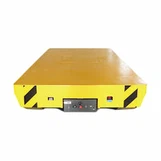
When it comes to industrial material handling, KPD transfer carts have emerged as a reliable solution for many businesses. As a supplier of KPD transfer carts, I often receive inquiries about various aspects of these carts, and one question that frequently comes up is, "What is the weight of the KPD transfer cart itself?" In this blog post, I'll delve into this topic, exploring the factors that influence the weight of a KPD transfer cart and why understanding this is crucial for your operations.
Understanding KPD Transfer Carts
Before we dive into the weight details, let's briefly understand what KPD transfer carts are. KPD transfer carts are Rail Transfer Cart designed to move heavy loads within industrial settings such as factories, warehouses, and workshops. They operate on rails and are powered by low-voltage electricity, making them an efficient and cost - effective option for transporting materials over short to medium distances.
Factors Affecting the Weight of KPD Transfer Carts
The weight of a KPD transfer cart is not a fixed value; it can vary significantly depending on several factors. Here are the key elements that influence the cart's self - weight:
1. Cart Size and Dimensions
The physical size of the cart is a major determinant of its weight. Larger carts with greater length, width, and height generally have more material used in their construction, which in turn increases their weight. For example, a KPD transfer cart designed to carry large and bulky items will need a more substantial frame and a larger platform area, resulting in a higher self - weight compared to a smaller cart used for lighter loads.
2. Load Capacity
The load capacity of the cart is directly related to its self - weight. A cart designed to carry heavier loads needs to be more robustly built. This means using thicker steel for the frame, stronger axles, and larger wheels. For instance, a KPD transfer cart with a load capacity of 50 tons will have a significantly higher self - weight than a cart with a 5 - ton capacity. The extra weight comes from the additional structural components required to safely support the heavy load.
3. Structural Design
The design of the cart's structure also plays a role in its weight. Some carts may have a more complex design with additional bracing or reinforcement to enhance stability and durability. These added features increase the amount of material used and thus the overall weight of the cart. On the other hand, a simpler design may result in a lighter cart, but it may not be suitable for extremely heavy loads or harsh operating conditions.
4. Components and Accessories
The type and number of components and accessories installed on the cart can add to its weight. For example, if a cart is equipped with a hydraulic lifting system for loading and unloading, the hydraulic cylinders, pumps, and associated piping will increase the cart's weight. Similarly, additional safety features such as bumpers, limit switches, and warning lights also contribute to the overall mass of the cart.
Typical Weight Ranges of KPD Transfer Carts
Based on our experience as a KPD Rail Transfer Cart supplier, the self - weight of KPD transfer carts can vary widely. For small - scale carts with a load capacity of around 1 - 5 tons, the self - weight typically ranges from 1 to 3 tons. These carts are often used in smaller workshops or for transporting relatively light materials.
Medium - sized carts with a load capacity of 5 - 20 tons usually have a self - weight between 3 and 8 tons. These are more commonly found in medium - sized manufacturing plants where they are used to move a variety of materials and products.
For large - scale KPD transfer carts with a load capacity of 20 tons or more, the self - weight can exceed 10 tons. These heavy - duty carts are designed to handle the most demanding industrial applications, such as moving large machinery or heavy metal components.
Importance of Knowing the Self - Weight of KPD Transfer Carts
Understanding the self - weight of a KPD transfer cart is crucial for several reasons:
1. Rail and Floor Design
The self - weight of the cart, combined with its load capacity, determines the load that will be exerted on the rails and the floor. This information is essential for designing a suitable rail system and ensuring that the floor can support the weight without damage. If the floor or rails are not properly designed to handle the weight, it can lead to premature wear and tear, structural damage, and safety hazards.
2. Power Requirements
The self - weight of the cart affects its power requirements. A heavier cart requires more power to start, stop, and move at a given speed. By knowing the self - weight, you can accurately calculate the power needed for the cart's motor and ensure that the electrical supply is sufficient. This helps in optimizing energy consumption and preventing overloading of the electrical system.
3. Transport and Installation
When it comes to transporting and installing the KPD transfer cart, the self - weight is a critical factor. Heavier carts may require specialized transportation equipment and installation procedures. Knowing the weight in advance allows you to plan the logistics and ensure that the necessary resources are available for a smooth and safe installation process.


How We Determine the Weight of Our KPD Transfer Carts
As a supplier, we use a combination of engineering calculations and real - world testing to determine the weight of our KPD transfer carts. During the design phase, our engineers use computer - aided design (CAD) software to model the cart's structure and estimate the weight based on the materials and components used.
Once the cart is built, we conduct physical measurements using precision weighing equipment. This ensures that the actual weight matches the estimated weight as closely as possible. We also keep detailed records of the weight for each cart model, which helps us provide accurate information to our customers.
Conclusion
In conclusion, the weight of a KPD transfer cart is influenced by multiple factors, including its size, load capacity, structural design, and components. Understanding the self - weight of the cart is essential for proper rail and floor design, power management, and transport and installation. As a supplier, we are committed to providing our customers with accurate information about the weight and other specifications of our KPD transfer carts.
If you are in the market for a KPD transfer cart and have questions about its weight or any other aspect, please don't hesitate to contact us. We have a team of experts ready to assist you in selecting the right cart for your specific needs. Whether you need a small - scale cart for a light - duty application or a heavy - duty cart for a large - scale industrial project, we can provide you with a solution that meets your requirements.
References
- Industrial Material Handling Handbook
- Engineering Design Principles for Rail - Based Transfer Carts