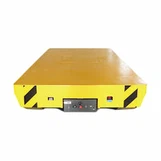
Hey there! As a supplier of KPD transfer carts, I've seen firsthand how these nifty machines can revolutionize material handling in various industries. But like any piece of equipment, they need proper maintenance to keep running smoothly and efficiently. In this blog, I'll break down the different kinds of maintenance that a KPD transfer cart requires.
Regular Visual Inspections
First off, let's talk about regular visual inspections. This is like giving your cart a quick once - over to make sure everything looks okay. You should do this before each use. Check the wheels for any signs of wear and tear, like cracks or excessive flat spots. The wheels are crucial as they carry the entire weight of the cart and its load. If they're damaged, it can lead to uneven movement and even cause the cart to derail.
Also, take a look at the frame. Look for any bent or broken parts. The frame provides the structural integrity of the cart, so any damage here can be a big problem. Check the connections between different components too. Loose bolts or welds can come apart during operation, which is definitely not something you want.
Another important part to inspect is the electrical system. If you're using an electrically powered KPD transfer cart, check the cables for any signs of fraying or damage. Damaged cables can pose a safety hazard and also affect the performance of the cart. And don't forget to check the battery (if it's a battery - powered model). Make sure it's properly connected and there are no signs of corrosion on the terminals.


Lubrication
Lubrication is key to keeping your KPD transfer cart in good shape. The moving parts of the cart, such as the wheels, axles, and bearings, need to be lubricated regularly. This reduces friction between the parts, which in turn reduces wear and tear. It also helps the cart move more smoothly and quietly.
You should use the right type of lubricant for each part. For example, some bearings may require a high - temperature grease, while others may need a lighter oil. Follow the manufacturer's recommendations for lubrication intervals and the type of lubricant to use. Over - lubricating can be just as bad as under - lubricating, as it can attract dirt and debris, which can cause damage to the parts.
Brake Maintenance
The brakes on a KPD transfer cart are extremely important for safety. They need to be checked and maintained regularly. Start by checking the brake pads for wear. If the brake pads are too thin, they won't be able to stop the cart effectively. Replace them as soon as they reach the minimum thickness recommended by the manufacturer.
Also, check the brake system for any leaks or damage. Hydraulic brakes, if your cart has them, need to have the fluid level checked regularly. Low fluid levels can lead to reduced braking performance. And make sure the brake cables are properly adjusted. Loose or tight cables can affect how well the brakes work.
Motor Maintenance
If your KPD Rail Transfer Cart is powered by a motor, then motor maintenance is a must. The motor is the heart of the cart, and if it fails, the cart won't work. Check the motor for any signs of overheating. Overheating can be caused by a variety of factors, such as a dirty motor, a malfunctioning cooling system, or overloading the cart.
Clean the motor regularly to remove any dust or debris that may have accumulated on it. This helps with heat dissipation. Also, check the motor's electrical connections. Loose connections can cause power loss and even damage the motor. And don't forget to check the motor's bearings. Just like other bearings on the cart, they need to be lubricated and checked for wear.
Rail Maintenance (for Rail Transfer Carts)
For Rail Transfer Cart, the rails are an important part of the system. The rails need to be kept clean and free of debris. Dirt, rocks, or other objects on the rails can cause the cart to derail or move unevenly.
Check the rails for any signs of wear, such as uneven surfaces or cracks. If the rails are worn, they may need to be replaced or resurfaced. Also, make sure the rails are properly aligned. Misaligned rails can put extra stress on the cart's wheels and other components, leading to premature wear.
Software and Control System Maintenance (if applicable)
Some modern KPD transfer carts come with advanced software and control systems. These systems need to be maintained as well. Keep the software up - to - date by installing the latest updates provided by the manufacturer. Updates can improve the performance of the cart, add new features, and fix any bugs.
Check the control panel for any error messages or malfunctioning buttons. If there are any issues, refer to the user manual or contact the manufacturer for troubleshooting. And make sure the sensors (if any) on the cart are clean and functioning properly. Sensors are used for things like collision detection and speed control, so they're crucial for the safe operation of the cart.
Scheduled Professional Maintenance
In addition to the regular maintenance tasks you can do yourself, it's also a good idea to schedule professional maintenance at regular intervals. A professional technician has the expertise and tools to perform more in - depth inspections and maintenance tasks. They can check the internal components of the cart, perform diagnostic tests, and make any necessary repairs or adjustments.
Professional maintenance can help catch any potential problems before they turn into major issues. It can also extend the lifespan of your KPD transfer cart and keep it operating at peak performance.
Why Maintenance Matters
Proper maintenance of your KPD transfer cart is not just about keeping it running; it's also about safety. A well - maintained cart is less likely to break down unexpectedly, which can prevent accidents in the workplace. It also helps you avoid costly repairs and downtime. By investing a little time and money in maintenance, you can save a lot in the long run.
So, if you're in the market for a KPD transfer cart or already have one, make sure you prioritize maintenance. And if you have any questions about maintenance or need help with your cart, don't hesitate to reach out. We're here to assist you with all your KPD transfer cart needs. Whether you're looking to purchase a new cart or need advice on maintenance, we can provide you with the information and support you need. Contact us to start a conversation about your requirements and let's see how we can work together to meet your material - handling needs.
References
- Manufacturer's User Manual for KPD Transfer Cart
- Industry Standards for Material Handling Equipment Maintenance