

In the dynamic landscape of modern industrial operations, material handling stands as a cornerstone of efficiency and productivity. However, the traditional methods of material handling, heavily reliant on human labor, are fraught with the potential for errors. These errors can range from minor mistakes in inventory management to significant safety hazards on the factory floor. As an AGV supplier, we have witnessed firsthand how Automated Guided Vehicles (AGVs) are revolutionizing material handling by substantially reducing human errors. In this blog, we will explore the various ways in which AGVs contribute to this reduction and why they are becoming an indispensable asset in industrial settings.
Precision Navigation and Route Planning
One of the primary sources of human error in material handling is the imprecision in navigation and route planning. Human operators may take longer routes, deviate from the optimal path, or make mistakes in following complex instructions. AGVs, on the other hand, are equipped with advanced navigation systems that ensure precise movement and adherence to predefined routes.
AGVs use a variety of navigation technologies, such as laser guidance, magnetic tape guidance, and vision-based systems. Automated Guided Vehicle can be programmed to follow the most efficient routes, taking into account factors such as traffic flow, obstacle avoidance, and the location of the destination. This precision reduces the likelihood of collisions, misplacements, and delays that are often associated with human navigation errors.
For example, in a large warehouse where materials need to be transported between different storage areas and production lines, an AGV can be programmed to follow a specific path that minimizes travel time and maximizes throughput. The AGV's navigation system continuously monitors its position and adjusts its course as needed, ensuring that it arrives at the destination accurately and on time. This level of precision is difficult to achieve with human operators, who may be subject to fatigue, distractions, or errors in judgment.
Consistent Work Performance
Human performance can vary significantly depending on factors such as fatigue, stress, and motivation. These variations can lead to inconsistent work quality and an increased risk of errors. AGVs, however, offer consistent performance around the clock. They do not get tired, distracted, or affected by emotional factors, which means they can perform repetitive tasks with the same level of accuracy and efficiency throughout the day.
In material handling, repetitive tasks such as loading and unloading goods, transporting pallets, and sorting inventory are common. AGVs can be programmed to perform these tasks with a high degree of consistency, reducing the likelihood of errors that may occur due to human variability. For instance, an AGV can be set to pick up and place items at a specific location with the same level of precision every time, regardless of the time of day or the length of the shift.
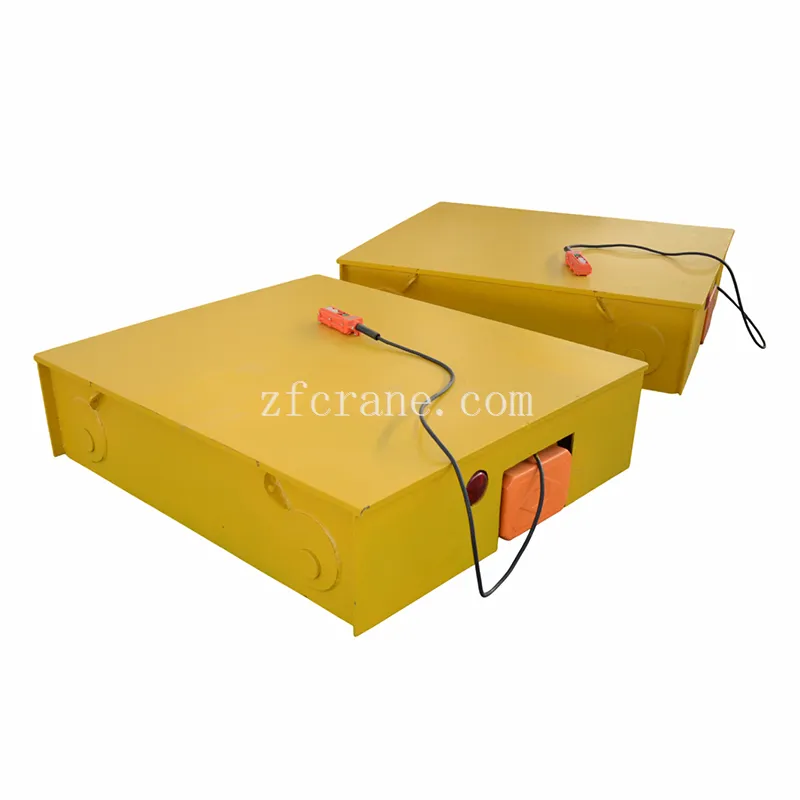

Moreover, AGVs can operate in harsh or hazardous environments where human operators may face difficulties or safety risks. Heavy Load Laser Guided Vehicle can handle heavy loads in environments with extreme temperatures, dust, or chemicals, without being affected by these conditions. This not only reduces the risk of human error but also improves the overall safety of the material handling process.
Real - Time Data Monitoring and Error Detection
AGVs are integrated with advanced sensors and monitoring systems that collect real - time data about their operations. This data can be used to detect and prevent errors before they occur. For example, sensors on an AGV can detect obstacles in its path, measure the weight of the load it is carrying, and monitor its battery status.
If an AGV detects an obstacle in its path, it can automatically stop or change its route to avoid a collision. This is a significant improvement over human operators, who may not always notice obstacles in time or may make mistakes in reacting to them. The real - time data collected by the AGV's sensors can also be used to monitor the health and performance of the vehicle. If a component is showing signs of wear or malfunction, the system can alert maintenance personnel, allowing them to take preventive action before a breakdown occurs.
In addition, AGVs can be integrated with the overall warehouse management system (WMS). This integration enables seamless communication between the AGVs and the WMS, allowing for real - time updates on inventory levels, order status, and material movement. The WMS can use this data to optimize the material handling process and ensure that the right materials are delivered to the right place at the right time. By having access to accurate and up - to - date information, the risk of errors such as overstocking, understocking, or mispicking is significantly reduced.
Reduced Human - to - Human Communication Errors
In material handling operations, effective communication is crucial for coordinating the movement of materials and ensuring that tasks are completed correctly. However, human - to - human communication is prone to errors, such as misunderstandings, misinterpretations, and incomplete information. AGVs can help reduce these communication errors by automating the material handling process and minimizing the need for direct human interaction.
For example, in a traditional material handling system, human operators may need to communicate with each other to coordinate the loading and unloading of goods. This communication can be affected by factors such as language barriers, noise in the environment, or errors in transmitting information. With AGVs, the material handling process can be automated, and the AGVs can communicate directly with the WMS and other equipment. This reduces the potential for communication errors and ensures that the material handling process is more efficient and reliable.
Improved Safety and Risk Mitigation
Human errors in material handling can pose significant safety risks to workers and the overall operation. Collisions, falls, and injuries are common in workplaces where human operators are involved in material handling. AGVs are designed with safety features that help reduce these risks.
AGVs are equipped with sensors and safety devices such as collision avoidance systems, emergency stop buttons, and warning lights. These features ensure that the AGV can detect and avoid obstacles, and stop immediately in case of an emergency. The use of AGVs also reduces the need for human operators to work in dangerous areas, such as near heavy machinery or in high - traffic zones.
In addition, AGVs can be programmed to follow safety protocols and regulations. For example, they can be set to travel at a safe speed, maintain a safe distance from other vehicles and pedestrians, and stop at designated safety zones. By reducing the risk of accidents and injuries, AGVs not only protect the well - being of workers but also minimize the potential for costly downtime and legal liabilities.
Conclusion
As an AGV supplier, we believe that AGVs are a game - changer in the field of material handling. They offer a wide range of benefits that contribute to reducing human errors, improving efficiency, and enhancing safety in industrial operations. From precision navigation and consistent work performance to real - time data monitoring and reduced communication errors, AGVs are transforming the way materials are handled in modern factories and warehouses.
If you are looking to improve the efficiency and reliability of your material handling operations, reduce human errors, and enhance safety in your workplace, we encourage you to consider incorporating AGVs into your system. Our team of experts can work with you to design a customized AGV solution that meets your specific needs and requirements. Contact us today to start the conversation about how AGVs can revolutionize your material handling processes.
References
- Some general industry reports on the use of AGVs in material handling.
- Technical specifications and research papers on AGV navigation and safety systems.


