Hey there! I'm an AGV supplier, and today I wanna talk about the emergency stop procedures for AGVs. Automated Guided Vehicles, or Automated Guided Vehicle as they're officially known, are super useful in all sorts of industries. They can transport goods around a warehouse or factory without a human driver, which is pretty cool, right? But like any machine, they need proper emergency stop procedures to keep everyone safe.
Why Emergency Stop Procedures Matter
First off, let's understand why we even need these procedures. AGVs move around autonomously, and sometimes things can go wrong. There could be an obstacle in their path that they don't detect correctly, a technical glitch in their system, or maybe a human operator accidentally steps into their way. In these situations, having a reliable emergency stop procedure can prevent accidents, damage to goods, and injuries to people.
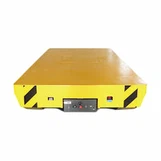
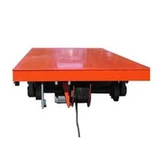
Imagine a Heavy Load Laser Guided Vehicle carrying a really heavy load. If it malfunctions and keeps moving, it could cause a lot of damage. That's where the emergency stop comes in. It's like a safety net that we can pull when things get out of hand.
Types of Emergency Stop Systems
There are a few different types of emergency stop systems for AGVs. The most common one is the physical emergency stop button. This is usually a big, red button that's easy to spot and press. It's located on the AGV itself, and sometimes there are also additional buttons placed around the area where the AGVs operate. When you press this button, it immediately cuts off the power to the AGV's motors, stopping it in its tracks.
Another type is the remote emergency stop system. This is handy because it allows an operator to stop the AGV from a distance. For example, if an AGV is moving towards a dangerous area and the operator can't reach the physical button in time, they can use a remote control to activate the emergency stop.
Some AGVs also have safety sensors that can trigger an emergency stop automatically. These sensors can detect things like collisions, people getting too close, or sudden changes in the AGV's movement. When the sensors detect a problem, they send a signal to the AGV's control system, which then activates the emergency stop.
Step-by-Step Emergency Stop Procedure
Let's break down the emergency stop procedure into steps.
Step 1: Identify the Problem
The first thing you need to do is figure out that there's an issue. This could be something obvious, like an AGV crashing into an object, or it could be a more subtle problem, like the AGV starting to move erratically. As soon as you notice something wrong, you need to act quickly.


Step 2: Press the Emergency Stop Button
If you're close enough to the AGV, the next step is to press the physical emergency stop button. Make sure you press it firmly and hold it for a few seconds to ensure that the AGV stops completely. If you can't reach the button, use the remote emergency stop system if you have one.
Step 3: Notify Others
Once the AGV is stopped, you need to let other people know what's going on. This could be other operators in the area, supervisors, or maintenance staff. They need to be aware of the situation so that they can take appropriate action.
Step 4: Assess the Situation
After notifying others, you need to assess the damage. Check if there are any broken parts on the AGV, if the goods it was carrying are damaged, or if there are any injuries to people. This will help you determine what needs to be done next.
Step 5: Reset the AGV
Once you've assessed the situation and fixed any problems, you can reset the AGV. This usually involves turning off the emergency stop button and then restarting the AGV's control system. Make sure you follow the manufacturer's instructions when resetting the AGV to avoid any further issues.
Training and Maintenance
It's really important to train all the people who work with AGVs on the emergency stop procedures. They need to know how to identify problems, how to use the emergency stop systems, and what to do after the AGV has stopped. Regular training sessions can help keep everyone up-to-date and prepared for any emergencies.
In addition to training, regular maintenance of the AGVs and their emergency stop systems is crucial. The emergency stop buttons need to be checked regularly to make sure they're working properly. The sensors and remote control systems also need to be tested to ensure that they're reliable. If any parts are worn out or not working correctly, they should be replaced immediately.
Conclusion
So, there you have it - the emergency stop procedures for AGVs. These procedures are essential for keeping everyone safe and ensuring that your AGV operations run smoothly. By having a good understanding of the different types of emergency stop systems and following the step-by-step procedure, you can minimize the risk of accidents and damage.
If you're in the market for AGVs or need to upgrade your existing emergency stop systems, I'd love to chat. We offer a wide range of high-quality AGVs, including Heavy Load Laser Guided Vehicle, and we can help you find the right solution for your needs. Just reach out, and we can start the conversation about how to make your operations safer and more efficient.
References
- General knowledge about AGV technology and safety procedures from industry experience.