Hey there! As a supplier of moveable jib cranes, I often get asked about the maintenance costs associated with these nifty pieces of equipment. So, I thought I'd sit down and break it all down for you in this blog post.
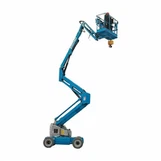
First off, let's talk about what a moveable jib crane is. It's a type of crane that has a horizontal beam (the jib) that can move, usually on a pivot or along a track. This allows it to lift and move loads in a specific area. One popular type is the Moveable Articulating Jib Crane, which has an additional joint in the jib, giving it even more flexibility.
Now, onto the maintenance costs. There are several factors that can influence how much it'll cost to keep your moveable jib crane in top shape.
1. Regular Inspections
Regular inspections are a must. You can't just let your crane run without checking it out every now and then. A basic visual inspection should be done before each use. This involves looking for any obvious signs of damage, like cracks in the jib, loose bolts, or frayed cables. You don't need to be a pro to do this; just take a good look around and make sure everything seems okay.
For more in - depth inspections, you'll probably want to hire a professional. They can use specialized tools to check things like the structural integrity of the crane, the alignment of the moving parts, and the performance of the electrical systems (if it's an electric crane). Depending on the size and complexity of your crane, a professional inspection can cost anywhere from a few hundred to a couple of thousand dollars. But it's worth it because it can catch problems early, saving you money in the long run.
2. Lubrication
All those moving parts in a moveable jib crane need to be lubricated regularly. Lubrication reduces friction, which in turn reduces wear and tear on the components. The type of lubricant you use depends on the specific parts of the crane. For example, the bearings might need a different lubricant than the gears.
The cost of lubricants can vary. You can find basic lubricants at your local hardware store for a relatively low price, but for high - performance cranes, you might need to use specialized lubricants that can be more expensive. On average, you might spend a few hundred dollars a year on lubricants, depending on how often you use the crane.
3. Replacement Parts
Over time, some parts of the crane will wear out and need to be replaced. Common parts that might need replacing include the cables, the hooks, and the brakes. The cost of replacement parts can vary widely. For example, a simple hook might cost only a few dollars, while a new cable or a brake system can cost several hundred or even thousands of dollars.
It's a good idea to keep some spare parts on hand, especially the ones that are more likely to fail. This way, you can quickly replace a part when it breaks, minimizing downtime. But stocking up on spare parts also means spending money upfront. You'll need to find a balance between having enough parts and not over - investing.
4. Electrical System Maintenance (if applicable)
If your moveable jib crane is electric, then the electrical system needs special attention. Electrical components can be sensitive and prone to problems. You'll need to check the wiring regularly for any signs of damage, such as fraying or exposed wires.
The cost of maintaining the electrical system can include things like replacing fuses, testing the circuit breakers, and servicing the motor. An electrician might need to be called in for more complex electrical work. Depending on the complexity of the electrical system, annual maintenance costs for the electrical part of the crane can range from a few hundred to over a thousand dollars.
5. Paint and Coating
The exterior of the crane needs to be protected from the elements. A good paint job or coating can prevent rust and corrosion, which can weaken the structure of the crane. You'll need to repaint or recoat the crane every few years, depending on the environment it's in.
The cost of paint and coating materials, as well as the labor to apply them, can add up. A small crane might cost a few hundred dollars to paint, while a large industrial - grade crane could cost several thousand dollars for a proper coating job.
6. Training and Certification
If you have employees operating the moveable jib crane, they need to be properly trained and certified. Training programs can teach them how to operate the crane safely, perform basic maintenance tasks, and recognize potential problems.
The cost of training and certification can vary depending on the provider and the level of training. It could cost a few hundred dollars per employee for a basic training course. But again, it's an important investment because it can prevent accidents and costly damage to the crane.
How to Reduce Maintenance Costs
Now that we've covered the different types of maintenance costs, let's talk about how you can reduce them.
- Follow the Manufacturer's Guidelines: The manufacturer knows their crane best. They'll provide detailed instructions on how to operate and maintain the crane. Following these guidelines can help you avoid unnecessary wear and tear and catch problems early.
- Train Your Staff Well: Well - trained operators are less likely to make mistakes that can damage the crane. Make sure your employees know how to use the crane properly and are aware of the importance of maintenance.
- Keep Good Records: Keep track of all maintenance activities, including inspections, part replacements, and lubrication schedules. This can help you identify patterns and plan for future maintenance more effectively.
In conclusion, the maintenance costs of a moveable jib crane can vary depending on many factors. But by being proactive and taking good care of your crane, you can keep these costs under control.
If you're in the market for a moveable jib crane or have any questions about maintenance, don't hesitate to reach out. We're here to help you make the best decision for your business. Whether you're a small workshop or a large industrial facility, we've got the right crane for you. Contact us to start a conversation about your needs and let's see how we can work together.


References
- Crane Manufacturer's Manuals
- Industry Standards for Crane Maintenance
- Professional Crane Maintenance Guides